
Leptospermum hybrid
Leptospermum hybrids
Description
Growing requirements
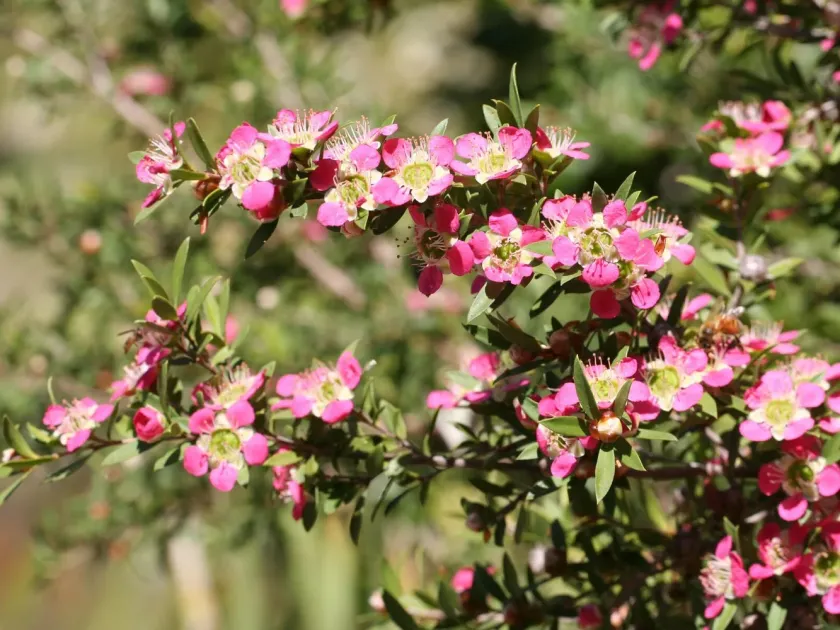
Leptospermum hybrids belong to the Myrtaceae family and are popular ornamental evergreen shrubs. These cultivars are bred to combine the resilience of wild species with larger, more vibrant flower displays ranging from white to deep crimson.
The plant originates from temperate and subtropical regions of the Southern Hemisphere. It requires a sunny, sheltered location with protection from harsh winds and frost, making it ideal for mild climate cultivation or container gardening in colder zones.
Soil requirements are strict: the medium must be acidic, well-draining, and rich in organic matter. Leptospermum is highly sensitive to waterlogging, which quickly leads to root decay and overall plant decline.
Cultural practices include regular pruning immediately after the flowering season. This maintains a compact habit, encourages dense branching, and promotes more vigorous growth for the next blooming cycle.
Fertilization should be handled with caution. Use fertilizers specifically formulated for acid-loving plants with low phosphorus levels, as excessive phosphorus can be toxic to the delicate root systems of this species.
Main diseases and pests
Root rot, primarily caused by Phytophthora species, is the most significant threat to Leptospermum health. Ensuring an open, airy soil structure and careful irrigation management are the best preventative measures.
Insect pests such as spider mites, scale insects, and aphids are common concerns, particularly when the plant is grown indoors or in greenhouses. Integrated pest management, including regular monitoring, is highly recommended.
Powdery mildew may occur if air circulation is insufficient. Increasing ventilation around the foliage and avoiding overhead irrigation can significantly reduce the incidence of fungal spores.
Iron chlorosis, characterized by yellowing of the foliage while veins remain green, often indicates a high pH level in the soil. Correcting soil acidity is necessary to allow the plant to absorb essential nutrients effectively.
Environmental stress, such as sudden temperature shifts or prolonged drought, can leave the plant vulnerable to secondary infections. Maintaining stable growing conditions is crucial for long-term health.
Harvesting
Leptospermum hybrids are primarily cultivated for the commercial cut-flower market. Their woody stems and dense flower clusters provide excellent texture and longevity for high-end floral arrangements.
Harvesting is typically done when a significant portion of the buds has opened, ensuring the product reaches its peak visual maturity. Sharp, disinfected tools are essential to prevent damage to the main plant structure.
Beyond floristry, these plants are investigated for their essential oils, which possess antimicrobial properties. These oils are extracted through distillation and used in various cosmetic and medicinal products.
Commercial propagation is achieved via cuttings taken from non-flowering shoots. Utilizing rooting hormones and misting systems ensures high success rates and genetic uniformity across batches.
Post-harvest care involves immediate hydration and storage in cool, ventilated conditions. Maintaining high humidity helps retain foliage freshness and prevents the flowers from drying out too rapidly before reaching the consumer.