
Leptospermum grandifolium
Leptospermum grandifolium
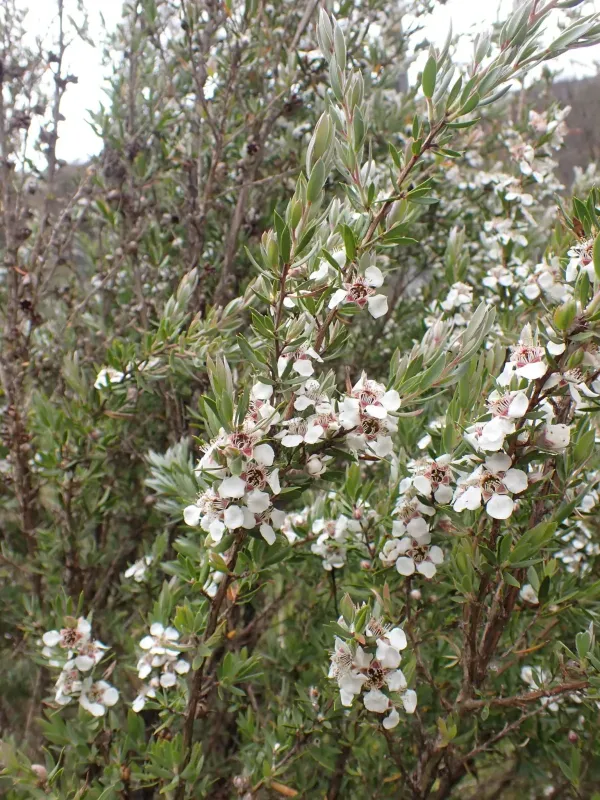
Description
Sowing dates
Sowing of Leptospermum grandifolium seeds is best initiated in late winter using a specialized fine-textured medium designed for ericaceous plants.
The seeds are exceptionally small and require surface sowing, barely pressed into the moist soil to ensure they receive sufficient light for germination.
Maintaining a consistent humidity level is crucial; therefore, using a propagator or covering the seed trays is a standard procedure for this species.
Germination typically occurs over several weeks, provided the temperature is kept steady within the 20–22 degrees Celsius range for optimal results.
Once seedlings achieve a height of a few centimeters, they should be carefully transplanted into individual pots to encourage robust root development.
Growing requirements
Leptospermum grandifolium, a member of the Myrtaceae family, originates from the eastern regions of Australia, where it thrives in moist, acidic habitats.
This species requires high light intensity for optimal growth but prefers protection from the harsh midday sun to avoid foliage desiccation.
The soil profile must be sandy and well-draining, with a low pH level, as the plant is highly sensitive to alkaline conditions and mineral deficiencies.
Consistent moisture is necessary, yet the root system is prone to hypoxia if the soil becomes waterlogged, necessitating careful irrigation management.
In cooler climates, Leptospermum grandifolium is often grown as a container plant to facilitate protection from frost during the winter months.
Main diseases and pests
Root rot, driven by Phytophthora species, remains the primary threat to the longevity of these shrubs, especially in heavy or poorly drained soils.
Scale insects are common pests that tend to aggregate along the stems, weakening the plant and encouraging the growth of sooty mold.
Spider mites can become a significant issue during dry, hot weather, causing leaf discoloration and eventual defoliation if left untreated.
Preventative cultural practices, such as ensuring adequate airflow and avoiding overhead watering, significantly reduce the incidence of fungal leaf spots.
Integrated pest management strategies focusing on biological control are preferred, as these plants exhibit sensitivity to several synthetic chemical pesticides.
Harvesting
Harvesting for commercial or craft use involves selectively pruning young, healthy growth during the peak flowering stage to maximize foliage quality.
When harvesting for essential oil production, the foliage is collected early in the day to prevent the evaporation of volatile aromatic compounds.
Pruning must be performed with disinfected tools to maintain the structural integrity of the shrub and to prevent the introduction of opportunistic pathogens.
Post-harvest handling requires quick drying in a shaded, well-ventilated area to preserve the integrity of the essential oils and prevent mold development.
Long-term maintenance pruning should be conducted immediately after the flowering period to stimulate denser branching for the following growing season.