
Large-flowered tea tree
Leptospermum grandiflorum
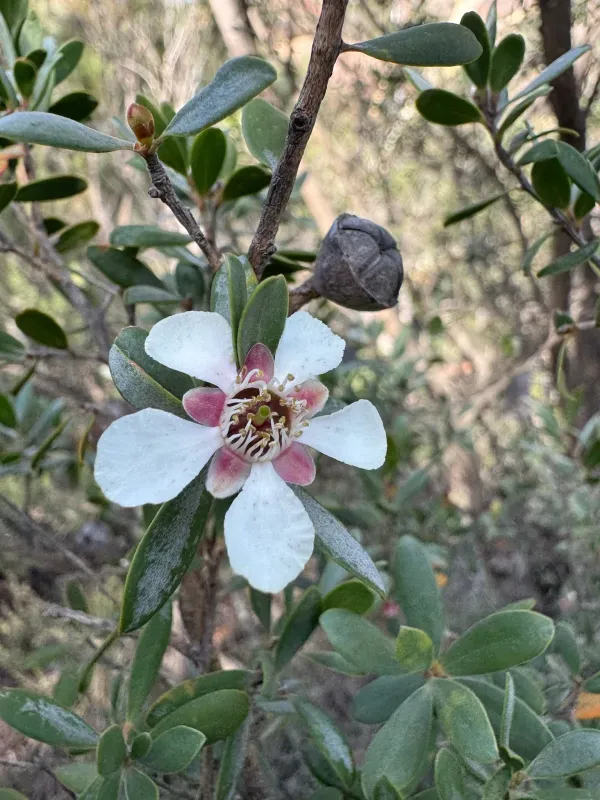
Description
Growing requirements
Leptospermum grandiflorum, commonly known as the large-flowered tea tree, is a hardy evergreen shrub belonging to the Myrtaceae family. Native to the mountainous regions of Tasmania and parts of mainland Australia, it is prized for its aesthetic appeal.
The plant thrives in temperate climates with mild winters. In regions prone to harsh frost, it is best cultivated in containers, allowing for easy movement into greenhouses or conservatories during the coldest months of the year.
Ideal soil conditions involve a well-drained, acidic to neutral growing medium. Gardeners should avoid alkaline soils, as the species is sensitive to lime, which can inhibit nutrient uptake and lead to yellowing leaves.
Full sun exposure is essential for the healthy development of this shrub. It requires at least six hours of direct sunlight daily to promote vigorous growth and a profuse blooming season that characterises this specific species.
Watering management is a delicate balance. While the soil should be kept consistently moist during the active growing season, it must never be waterlogged. Proper drainage is the most critical aspect of the plant's overall successful cultivation.
Main diseases and pests
Root rot caused by Phytophthora species represents the most significant threat to Leptospermum health. This pathogen thrives in saturated soils, emphasizing the necessity for superior soil aeration and efficient drainage systems.
Pests such as scale insects and spider mites are common in glasshouse environments where air circulation is poor. These pests can rapidly colonize the foliage, weakening the plant and promoting secondary fungal infections.
Regular maintenance practices, including the removal of dead or crossing branches, help maintain healthy airflow within the canopy. This practice reduces the risk of botrytis and other leaf-spotting fungi taking hold during humid spells.
Integrated pest management strategies are recommended, starting with mechanical removal of visible pests. If infestations persist, systemic insecticides specifically labeled for ornamental shrubs should be used with caution to protect beneficial pollinators.
Soil health can be preserved by ensuring that planting mediums are sterile and free from contaminants. Routine monitoring of the foliage and root zone is the most effective way to ensure the long-term vigor of these ornamental shrubs.