
Leptospermum deuense
Leptospermum deuense
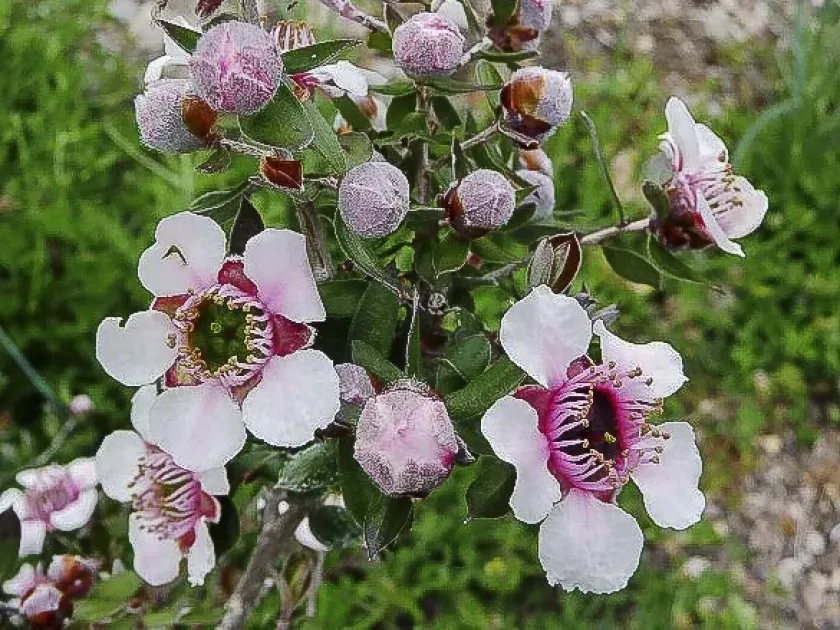
Description
Growing requirements
Leptospermum deuense is a rare species of evergreen shrub belonging to the Myrtaceae family. It is an endemic plant discovered in the Deu region of New South Wales, Australia, adapted to growing in high-altitude rocky environments.
This species is highly specialized, favoring specific geological substrates. In cultivation, it requires conditions that mimic its wild habitat, focusing primarily on excellent soil drainage and high solar exposure.
Soil requirements are strict: the medium must be acidic and low in phosphorus. Standard garden fertilizers can be harmful, as these plants have evolved to survive in nutrient-poor conditions. A grit-heavy mix is recommended for pot cultivation.
Watering management is crucial for the health of Leptospermum deuense. It prefers to dry out slightly between waterings, but the roots should never be allowed to sit in stagnant water, which leads to rapid decline.
Temperature tolerance is limited, as the plant is not hardy to heavy frosts. In cooler climates, it serves as an excellent specimen for a cool, bright sunroom or greenhouse, provided there is constant air circulation.
Main diseases and pests
Phytophthora root rot is the most serious threat to the survival of this species. It is almost always a result of overwatering or poor soil structure that lacks adequate oxygen supply to the roots.
Scale insects and spider mites are common pests that attack the foliage. Because the leaves of this species are small and dense, these pests can be difficult to detect in early stages, requiring regular inspections.
Iron chlorosis is frequently observed when the plant is grown in soil that is not sufficiently acidic. The foliage will turn yellow while the veins remain green, indicating that the plant is unable to absorb nutrients properly.
Mechanical stress during transplantation often results in plant shock. It is best to avoid root disturbance as much as possible, preferring to move the plant using the shift-pot method rather than traditional repotting.
Fungal leaf spots can occur if the foliage is kept wet for extended periods in enclosed spaces. Maintaining low ambient humidity around the canopy and ensuring the plant stays dry during the night helps mitigate this risk.