
Leptospermum continentale
Leptospermum continentale
Description
Growing requirements
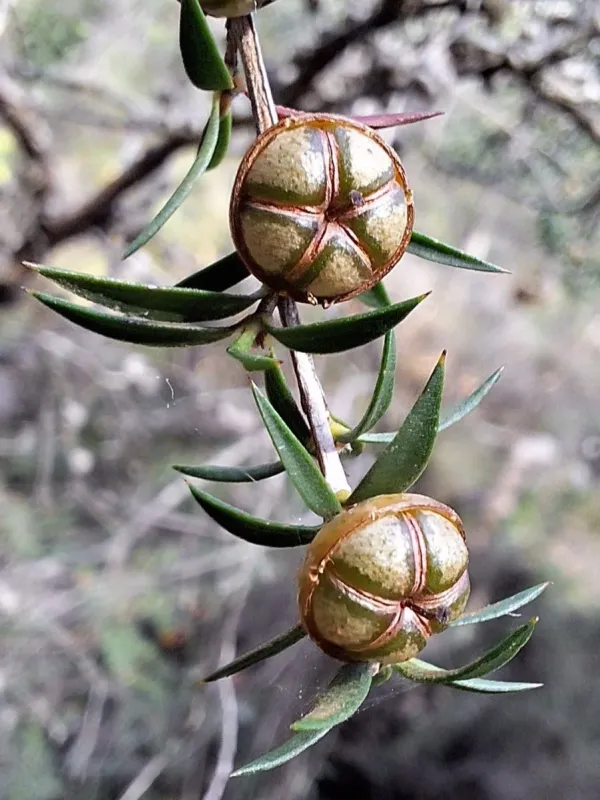
Leptospermum continentale, commonly known as the prickly tea-tree, is a perennial evergreen shrub belonging to the Myrtaceae family. Originating from Australia, this species is well-adapted to coastal and heathland environments. It is characterized by its small, needle-like leaves and attractive white flowers that appear during the spring and summer months.
The plant requires full sun exposure to thrive and maintain its dense growth habit. While it is hardy in its native Mediterranean-type climates, it requires protection in regions prone to heavy frost. Soil requirements include excellent drainage, as the roots are highly susceptible to rot if left in saturated conditions for extended periods.
Regarding soil chemistry, this culture prefers acidic to neutral soils with a low content of organic phosphorus. Over-fertilization, especially with phosphorus-rich inputs, can be detrimental to the plant's health. Applying a slow-release fertilizer designed for native Australian plants is recommended during the early growth stage.
Cultural practices involve minimal intervention, as the plant is naturally resilient. Pruning should be performed immediately after the flowering season to encourage bushiness and remove dead or damaged branches. Consistent air circulation is vital to prevent the accumulation of moisture and the onset of fungal spores.
From a utility perspective, Leptospermum continentale is primarily used in landscape architecture as a screening plant or a specimen shrub. Furthermore, its nectar-rich flowers make it an essential component for supporting local pollinator populations in ecological restoration projects.
Main diseases and pests
The most significant disease threat is Phytophthora cinnamomi, a soil-borne pathogen that causes root dieback and eventual plant collapse. Mitigation strategies focus on purchasing certified healthy stock and ensuring pristine drainage to minimize pathogen spread.
Pest management primarily targets sap-sucking insects such as scale insects and aphids. These pests weaken the plant by extracting essential nutrients and promoting the growth of sooty mold, which impairs photosynthesis. Regular inspection and targeted horticultural oils are the preferred methods for control.