
Leptospermum barneyense
Leptospermum barneyense
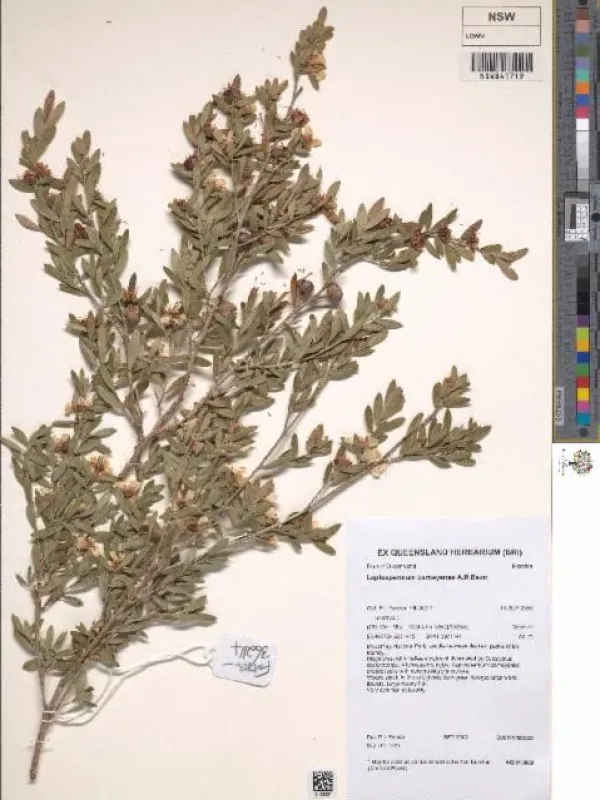
Description
Growing requirements
Leptospermum barneyense is a distinct species belonging to the Myrtaceae family. It is recognized for its fine foliage and ornamental value, originating from specific ecosystems in Australia.
The cultivation of this shrub requires well-drained, sandy or gravelly soil. It is particularly intolerant of waterlogging, which often leads to rapid decline due to root zone saturation.
Climate requirements include a preference for full sun exposure and moderate temperatures. The plant is not fully hardy, and frost protection is necessary in cooler climates during the winter months.
Agrotechnical practices focus on maintaining low phosphorus levels in the soil, as native Myrtaceae are adapted to nutrient-poor environments. Fertilizer application should be minimized to avoid foliage burn.
Industrially or in gardening, it is used for landscape design and as a potential source of botanical oils. Its resilience makes it a suitable candidate for xeriscaping in compatible climates.
Main diseases and pests
The primary threats to Leptospermum barneyense are soil-borne pathogens, specifically Phytophthora species, which thrive in moist and stagnant soil conditions.
Insect pests, such as aphids and scale insects, may infest the tender new growth during the spring season. These pests can significantly reduce the vitality of the plant if left untreated.
Pruning is an essential maintenance task to prevent overcrowding and ensure proper air circulation through the canopy, which helps in mitigating fungal outbreaks.
Integrated pest management strategies are recommended, focusing on maintaining plant vigor through proper site selection and preventing the introduction of pathogens.
Biological resilience is also linked to its evolutionary history, meaning that some specimens show higher tolerance to local environmental stress when grown in native-like conditions.