
Leptospermum arachnoides
Leptospermum arachnoides
Description
Sowing dates
The seeds of Leptospermum arachnoides exhibit high germination rates when provided with specific temperature conditions. Sowing is typically performed in late winter or early spring using a lightweight substrate composed of peat and sand.
Seed trays must be kept in a warm location with bright, indirect light, maintaining consistent soil moisture. Germination usually occurs within 3 to 5 weeks after sowing.
Seedlings should be pricked out once they reach a height of 5 to 7 centimeters. It is essential to use pots with excellent drainage to prevent moisture stagnation, which can damage the delicate root system.
For outdoor cultivation, seedlings should only be planted after the danger of frost has passed. Using the transfer method is recommended to keep the root ball intact, ensuring better adaptation to the new site.
The optimal planting density for creating hedging or ornamental groups is approximately one shrub per two square meters.
Growing requirements
Leptospermum arachnoides belongs to the Myrtaceae family and is native to Australia. In its natural habitat, it thrives in sandy soils, which dictates its specific requirements for cultivation.
This plant is heliophilic, requiring a very sunny position for optimal development. In shaded areas, the stems tend to elongate, and flowering becomes significantly reduced or ceases entirely.
The species prefers acidic or slightly acidic soils with high aeration. Waterlogging is lethal to this plant, as it rapidly promotes root rot and overall plant decline.
In temperate climates, cultivation is only possible in containers, which must be moved to an orangery or sheltered area when temperatures drop below five degrees Celsius.
Fertilization should be done using low-phosphorus fertilizers formulated for acid-loving plants, as an excess of this element can cause toxicity in Leptospermum species.
Main diseases and pests
The primary pests affecting Leptospermum are mealybugs and spider mites, which proliferate rapidly under low-humidity conditions in indoor environments.
Root rot, caused by Phytophthora fungi, remains the most significant threat, resulting from improper watering techniques and poor soil drainage.
Pest management relies on regular spraying with systemic insecticides and wiping leaves with soapy water during the early stages of an infestation.
Disease prevention involves maintaining optimal soil pH and avoiding excessive moisture in the growing medium during the winter dormant period.
- Regular inspection of leaf undersides
- Strict quarantine for new plant acquisitions
- Maintenance of garden tool hygiene
- Ensuring adequate fresh air circulation
Harvesting
The commercial use of this plant is primarily focused on the ornamental trade and floral design. Harvesting stems for arrangements is performed during the peak flowering period.
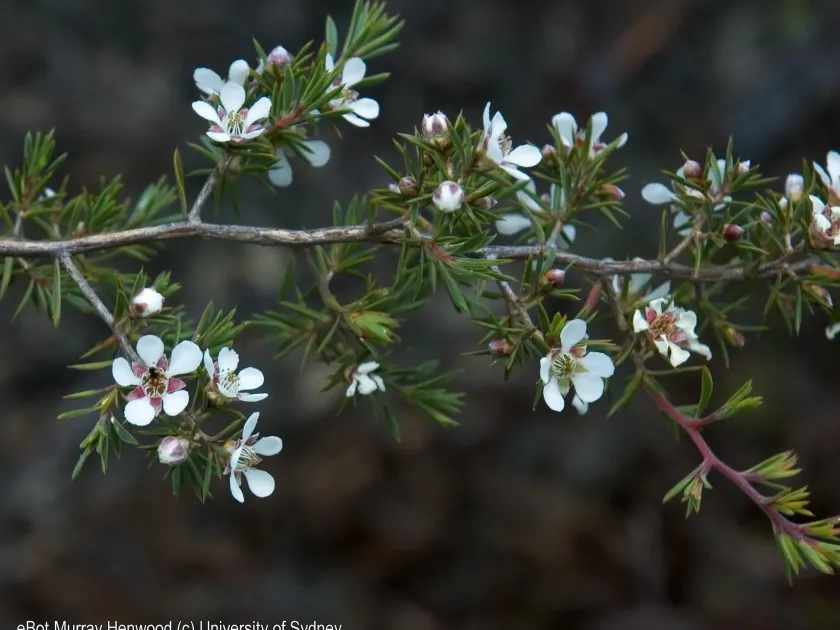
The flowers of Leptospermum arachnoides are recognized for their distinct spider-like stamen structure and excellent vase life. Cut branches can remain decorative for up to two weeks.
Pruning to shape the crown should be carried out immediately after the flowering cycle ends. This practice encourages the development of new lateral shoots, which will bear flower buds for the next season.
Regular sanitary pruning to remove dry or damaged twigs helps improve airflow within the canopy, reducing the risk of fungal infections.
For commercial cut-flower production, humidity control is vital to prevent mold growth on dense inflorescences during storage and transport.