
Kunzea
Kunzea ericoides (A. Rich.) Joy Thomps.
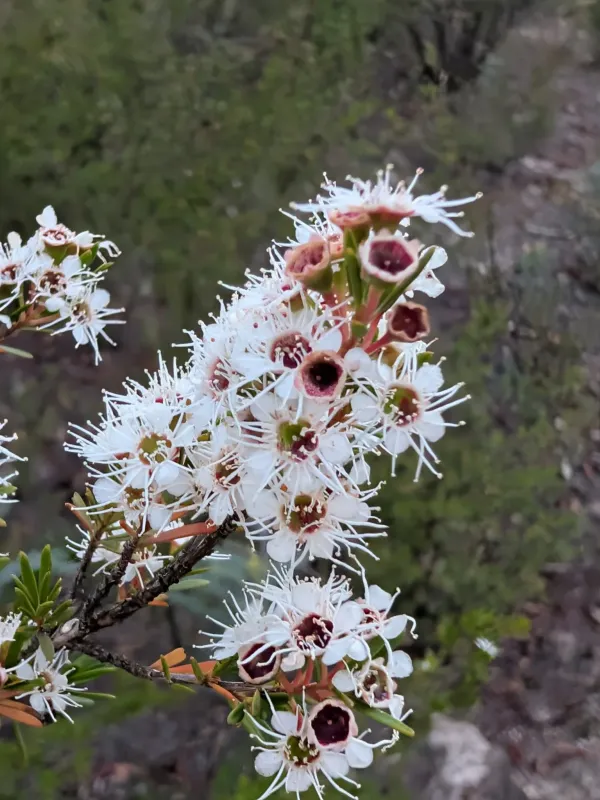
Description
Sowing dates
Propagation of Kunzea usually involves starting seeds in controlled nursery environments to ensure high germination rates and seedling survival.
Sowing should be performed in early spring using a sterile, well-draining seed-starting mix to prevent damping-off diseases common in young seedlings.
The seeds are extremely small and should not be buried; they require surface sowing with a light covering of vermiculite to maintain moisture levels.
Regular misting is necessary during the early stages of development until the seedlings establish a robust root system capable of nutrient uptake.
Once seedlings reach a suitable height and demonstrate woody tissue formation, they are hardened off before transplanting into field conditions.
Growing requirements
Kunzea ericoides belongs to the Myrtaceae family and thrives in open, sunny locations that allow for maximum photosynthetic activity.
The soil profile must be predominantly well-drained, as this plant is highly sensitive to waterlogged environments that lead to root rot.
Ideal pH levels for this crop range from slightly acidic to neutral, mirroring the conditions found in its native Australian and New Zealand habitats.
The plant demonstrates significant tolerance to wind, provided it is established, but protection during the juvenile phase is highly recommended.
Adequate spacing between rows is essential to promote airflow, which is a key factor in preventing moisture buildup and subsequent fungal issues.
Yield
The primary economic output of this plant is its essential oil, highly valued for its unique chemical profile and broad-spectrum antimicrobial properties.
Yields are maximized by implementing systematic pruning programs that encourage dense foliage growth and frequent production of young, oil-rich branches.
Commercial harvesting is typically performed using mechanical cutting equipment that ensures consistency in biomass collection across the plantation.
In addition to oil production, the species serves as a valuable nectar source for pollinators, contributing to high-quality honey production.
Strategic management of the harvest cycle allows for multiple cuttings per growing season, ensuring steady profitability for agricultural producers.
Main diseases and pests
Root rot caused by fungal pathogens is the most significant threat to the crop, usually stemming from over-irrigation or poorly drained soils.
Pests such as scale insects and mites can compromise foliage health, requiring vigilant monitoring and the use of integrated pest management strategies.
Weed control is critical during the initial years of plantation establishment, as the slow-growing seedlings can easily be smothered by aggressive vegetation.
Poor aeration within the canopy can lead to mildew outbreaks, making proper pruning a non-negotiable aspect of successful plant health maintenance.
Environmental stress, such as sudden frost or prolonged water stress, can weaken plants and make them more susceptible to opportunistic infections.
Harvesting
Harvesting for essential oil production is best conducted during periods of peak vegetative activity, typically prior to the full flowering stage.
Freshly harvested biomass must be processed immediately to prevent degradation of volatile compounds and ensure the highest possible oil quality.
Distillation must occur at controlled temperatures to maintain the integrity of the plant’s complex chemical constituents, which are easily damaged by heat.
After mechanical harvesting, the plants should be lightly pruned to encourage new, vigorous growth that will replenish the harvested biomass.
Final product storage involves airtight containers kept away from direct light and heat to maintain the stability and potency of the extracted oils.