
Muntries
Kunzea pomifera F. Muell.
Description
Growing requirements
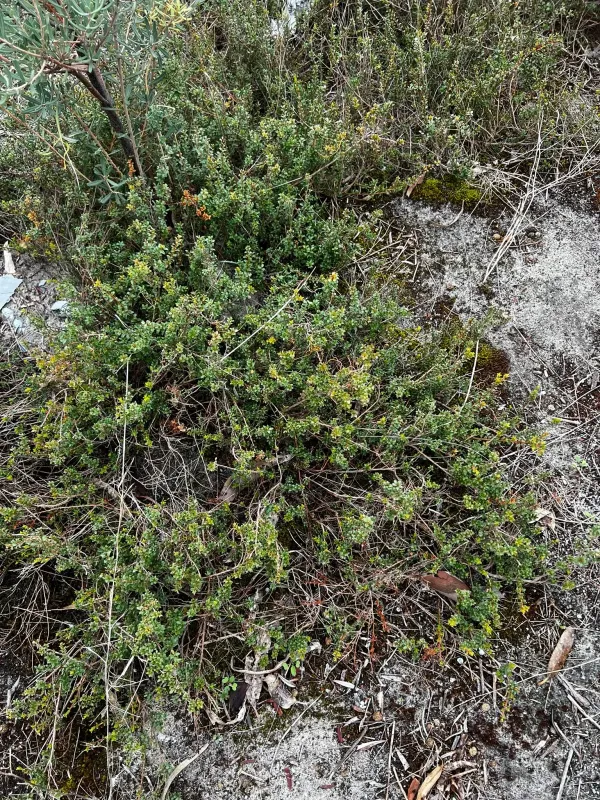
Muntries (Kunzea pomifera) is a prostrate, evergreen shrub belonging to the Myrtaceae family. Native to the southern regions of Australia, including coastal areas of Victoria and South Australia, it thrives in sandy soils and dunes.
The plant is highly resilient, capable of growing in nutrient-poor soils and tolerating salty coastal winds. This makes it an ideal candidate for cultivation on marginal lands where traditional fruit crops might struggle to establish.
Cultivation requires full sun exposure and well-draining soil. Drainage is the most critical factor; excess water often leads to root rot, which is the primary cause of plant death in commercial and home garden settings.
Muntries prefer a temperate to subtropical climate. While they can endure light frost, consistent warmth is required to promote healthy fruit production. They do not tolerate severe, long-lasting freezing conditions well.
Economically, the plant is valued for its edible fruit, which has a distinct spicy-apple flavor. The berries are high in antioxidants and are increasingly sought after in the gourmet food industry for use in chutneys, jams, and confectionery.
Main diseases and pests
Fungal diseases related to poor drainage are the most significant threats to muntries. Phytophthora and other soil-borne pathogens can destroy root systems rapidly if soil moisture remains consistently high.
Insect pests, such as leaf-eating caterpillars and aphids, can cause significant damage to young shoots during the growing season. Integrated pest management strategies are recommended to keep populations below economic injury levels.
Mites can also pose a problem, leading to foliage discoloration and reduced photosynthetic efficiency. Regular scouting and the application of horticultural oils or organic pesticides help maintain plant health.
Weed competition can severely stunt the growth of young muntrie plants. Mulching around the base can help suppress weeds while retaining soil moisture without causing waterlogged conditions.
Wildlife such as birds and rodents can be a major issue during the harvest period. Using netting is a standard practice in commercial orchards to prevent crop losses and ensure a marketable yield.
Harvesting
Harvesting muntries is a delicate process, usually performed by hand. The fruits ripen over an extended period, meaning that multiple passes through the field are often necessary to collect berries at their peak ripeness.
Ripe berries change from a dull green to a vibrant pinkish-red, signaling that they have reached their optimal sugar levels. Harvesters must be careful not to crush the fruit, as the skin is quite soft and susceptible to bruising.
Immediate post-harvest cooling is essential to maintain the quality of the berries. Storing the fruit at 2–4 degrees Celsius prevents rapid deterioration and maintains the texture required for high-end retail markets.
Post-harvest handling includes cleaning and grading the fruit to remove any damaged berries or debris. Proper sanitation practices are crucial to prevent the spread of mold or yeast growth among the harvested crop.
Processed muntries, particularly those that have been freeze-dried, serve as a stable shelf-life product. This allows the fruit to be used in baking, cereals, and health food supplements throughout the year.