
Eugenia umtamvunensis
Eugenia umtamvunensis
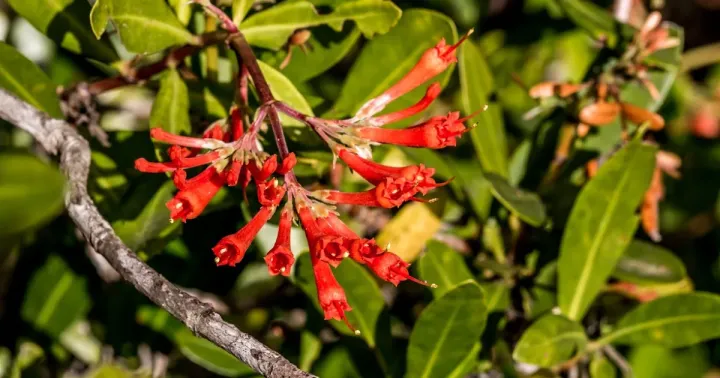
Description
Growing requirements
Eugenia umtamvunensis is a rare evergreen shrub or small tree belonging to the Myrtaceae family. It is endemic to a specific region in South Africa, primarily identified along the Umtamvuna River, where it thrives in protected coastal forest environments.
The plant requires a strictly subtropical climate to flourish. It is highly intolerant of frost, making it suitable for greenhouse cultivation or protected outdoor environments in zones where winter temperatures do not drop near freezing levels.
For optimal growth, it demands well-drained, acidic to neutral soil that is rich in organic matter. Mimicking the forest floor conditions—moist yet highly aerated—is essential for the healthy development of its root system and general vigor.
Watering requirements are consistent: the soil should remain moist but never waterlogged. During periods of active growth, the plant benefits from high humidity, which can be achieved through regular misting or placement in a humidified growing space.
Botanically, this species is noted for its leathery, aromatic leaves and its potential for developing into a dense, attractive shrub. While research on its culinary utility is ongoing, it remains a valuable subject for botanical collections and exotic plant enthusiasts interested in rare Myrtaceae members.
Main diseases and pests
The primary threats to this species in cultivation include common sap-sucking pests such as mealybugs and scale insects. These pests thrive in indoor or greenhouse settings where natural predators are absent, potentially weakening the plant if not managed.
Fungal pathogens associated with high humidity and poor air circulation are also a concern. Ensuring that the plant has adequate space and airflow is the most effective preventative measure against leaf spot and other fungal infections common to the Myrtaceae family.