
Eugenia umbellulifera
Eugenia umbellulifera
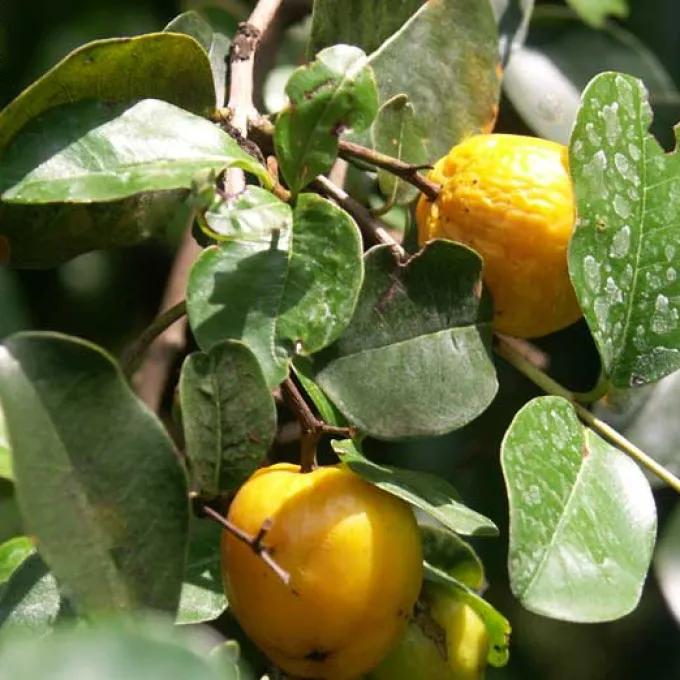
Description
Growing requirements
Eugenia umbellulifera is a distinguished member of the Myrtaceae family, native to tropical regions where it thrives in warm, humid environments. This species is highly valued for its dense foliage and unique botanical structure typical of the genus.
The climate requirements for this culture are strict: it demands consistent temperatures throughout the year. It cannot survive frost, making it suitable exclusively for greenhouse cultivation or tropical conservatory settings in non-equatorial latitudes.
Regarding soil conditions, the plant requires a nutrient-rich, well-draining medium. A mix of peat, bark, and perlite is often used to ensure that the roots receive sufficient aeration while maintaining necessary moisture levels for optimal growth.
Light management is essential; Eugenia umbellulifera prefers bright, filtered light. Protecting the plant from intense midday sun is critical to prevent leaf scorching, especially when plants are kept in controlled greenhouse environments.
Nutritional maintenance involves the regular application of a balanced, micronutrient-rich fertilizer during the growing season. Because the species is susceptible to chlorosis, ensuring the availability of iron and magnesium in the substrate is a standard agricultural procedure.
Main diseases and pests
The primary pests affecting this species include scale insects and mealybugs. These sap-sucking pests can cause significant damage if left untreated, leading to stunted growth and the development of sooty mold due to honeydew accumulation.
Fungal pathogens such as powdery mildew and various leaf spot diseases are common when ventilation is insufficient. High humidity, while necessary for growth, becomes a liability if air circulation is not actively managed within the growing facility.
Effective management includes regular inspection of the underside of leaves and stems. Applying horticultural oils or systemic insecticides can help control infestations before they spread across the entire plant collection.
Root rot, primarily caused by species like Phytophthora, is a lethal threat to Eugenia. This is almost exclusively associated with improper irrigation practices or poor drainage, highlighting the need for moisture sensors and careful watering.
Maintaining high hygiene standards by sterilizing pruning tools and removing fallen leaf litter is an essential preventive measure that reduces the overall pathogen pressure and promotes long-term plant health.