
Eugenia trichogyna
Eugenia trichogyna
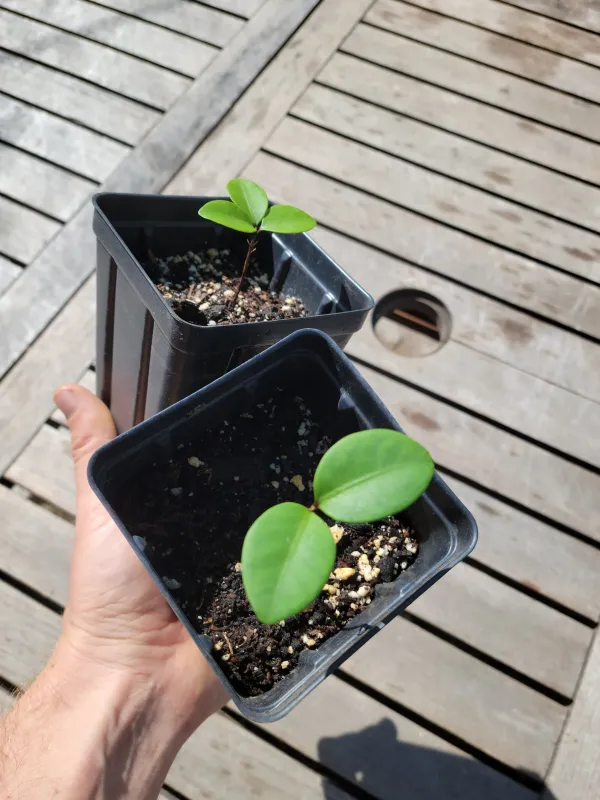
Description
Growing requirements
Eugenia trichogyna is a distinctive species belonging to the Myrtaceae family, native to the tropical forests of South America, primarily within Brazil.
This evergreen woody plant thrives in environments characterized by high ambient humidity and consistently warm temperatures throughout the calendar year.
Successful cultivation requires soil that is rich in organic matter and possesses excellent drainage capabilities to prevent root-related issues.
The plant demonstrates a preference for partial to full sun exposure, although young specimens benefit significantly from light shading to protect their delicate foliage.
Agronomic management involves maintaining consistent soil moisture levels, as the species does not tolerate extended periods of drought or extreme waterlogging.
Yield
The primary agricultural utility of Eugenia trichogyna is its fruit production, which is valued for its unique organoleptic properties and potential in local markets.
Fruits are typically harvested for direct consumption or processed into artisanal jams, jellies, and refreshing beverages, contributing to regional food security.
Beyond its culinary benefits, the tree serves an aesthetic role in tropical landscaping due to its glossy, evergreen leaves and attractive floral display.
Economic potential is linked to the sustainable harvesting of fruits and the use of the tree in agroforestry systems to provide structural diversity.
Yield management requires careful monitoring of pollination cycles to ensure optimal fruit set and quality, particularly in commercial planting arrangements.
Main diseases and pests
The species is susceptible to various fungal pathogens, such as leaf spot and powdery mildew, which often develop under high humidity levels without adequate airflow.
Insects including scale insects, mealybugs, and aphids can significantly impact plant vigor by colonizing foliage and terminal shoots, leading to stunted growth.
Preventative measures for pest control include pruning to improve canopy density management and utilizing integrated pest management strategies.
Sanitation practices, such as the prompt removal of fallen plant debris, are essential to break the life cycles of common pests and disease agents.
Regular inspections are highly recommended to ensure that any outbreaks are identified and addressed during the early stages of infestation.