
Eugenia rostrifolia
Eugenia rostrifolia
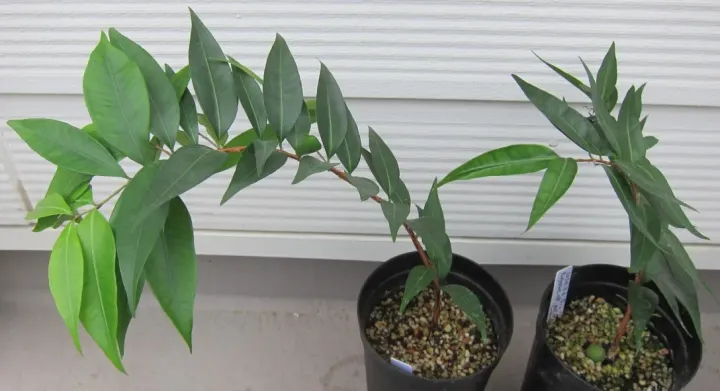
Description
Growing requirements
Eugenia rostrifolia is a rare member of the Myrtaceae family, which typically grows as an evergreen shrub or small tree. Native to the humid tropical forests of South America, the plant has evolved to thrive in environments with consistent high humidity and stable warm temperatures throughout the year.
This crop is highly demanding in terms of thermal requirements and cannot tolerate even light frost. For successful development, the plant requires an ambient temperature between +22°C and +30°C, and protection from direct cold winds, which can damage the foliage and tender new shoots.
Soil requirements involve the use of loose, well-drained substrates rich in organic matter. The pH level should be slightly acidic to neutral, as the plant is susceptible to iron-deficiency chlorosis in alkaline soils, which stunts growth and reduces overall health.
In terms of agricultural practice, Eugenia rostrifolia needs consistent moisture in the root zone. However, waterlogging is detrimental to the plant and encourages the development of root rot diseases, making proper drainage management a primary concern for growers.
The economic use of this species is primarily focused on its edible fruits, which are valued for their unique flavor profile and high antioxidant content. Furthermore, the plant is increasingly used in ornamental gardening due to its glossy, dense evergreen foliage.
Main diseases and pests
The primary threats to this crop are root rot diseases, which often result from poor drainage or overwatering. Maintaining soil aeration and ensuring excess water drains freely is essential for the long-term vitality of the plant.
Among pests, scale insects and mealybugs represent the greatest risk, as they quickly congregate on the underside of leaves. Their proliferation is often linked to low air humidity within greenhouse conditions.
Spider mite infestations may also occur during periods of dry, hot weather. To protect the plants, the application of systemic acaricides and regular misting of the canopy are recommended to maintain an unfavorable environment for these pests.
Fungal leaf infections may manifest if air circulation is insufficient within the planting site. Regular sanitary pruning is necessary to thin the canopy and improve airflow, thereby reducing the risk of pathogen spread.
Agronomists suggest maintaining optimal spacing between plants in commercial operations to ensure adequate ventilation and prevent the microclimate from becoming overly stagnant and humid.