
Eugenia punicifolia
Eugenia punicifolia
Description
Growing requirements
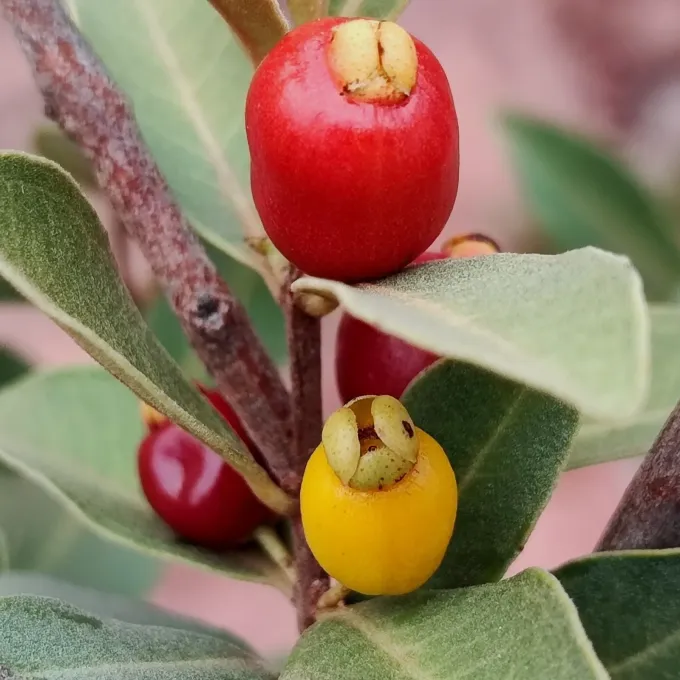
Eugenia punicifolia is an evergreen shrub or small tree belonging to the Myrtaceae family. It is a significant tropical plant noted for its potential in agroforestry and local fruit production in South American regions.
The species originates from the tropical zones of South America, primarily within Brazil. It thrives in regions characterized by warm temperatures and moderate to high humidity throughout the growing season, preferring locations with abundant sunlight.
Successful cultivation requires deep, well-drained soils rich in organic matter. While the plant is somewhat adaptable, it performs best in soils with a slightly acidic pH level, which mimics its natural habitat conditions.
Regarding climate, the plant cannot tolerate frost or temperatures below freezing, as it has evolved in consistently warm tropical environments. Regular watering is essential for the development of healthy foliage and fruit quality.
In terms of usage, the fruits are highly valued for their nutritional profile and unique flavor. They are consumed locally as fresh produce or processed into jellies, juices, and various culinary products, showing potential for wider market distribution.
Main diseases and pests
The primary threats to Eugenia punicifolia include various fungal infections, particularly leaf spot and root rot, which are triggered by excessive soil moisture and poor air circulation within the shrub canopy.
Scale insects and aphids are common pests that feed on the sap of young branches. These infestations can lead to stunted growth and reduced fruit yield if left unmanaged by agricultural practices.
Soil-borne pests such as nematodes pose a significant threat to the root system, particularly in heavy or insufficiently prepared soils. Maintaining soil health through organic amendments is a recommended preventive measure.
To prevent disease spread, growers should practice regular pruning to ensure sunlight reaches the center of the plant. This helps keep the foliage dry and prevents the environment from becoming favorable for pathogens.
Integrated pest management strategies, such as introducing beneficial insects and using selective organic treatments, are highly recommended to ensure sustainable production of this tropical fruit crop.