
Eugenia procera
Eugenia procera
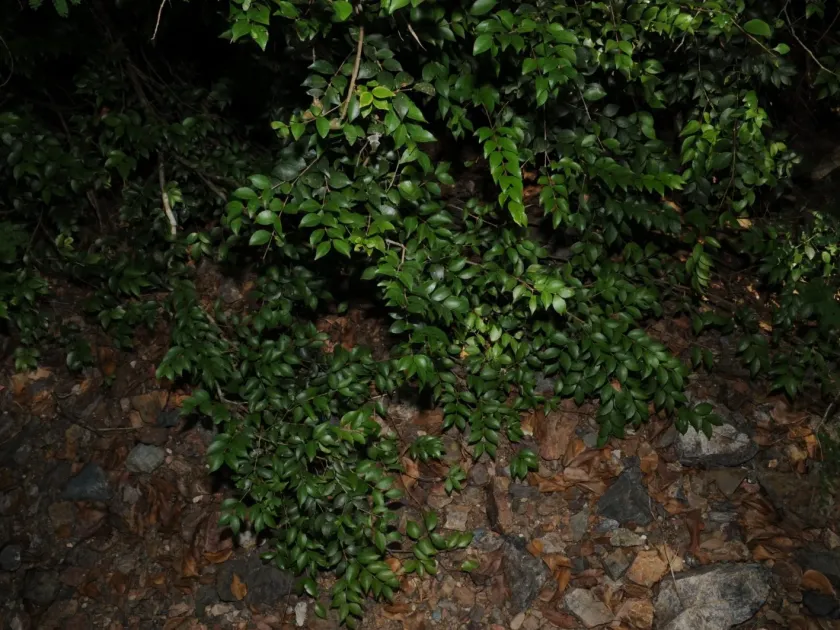
Description
Growing requirements
Eugenia procera is an evergreen woody species belonging to the Myrtaceae family. In its natural habitat, it typically appears as a small to medium-sized tree or a robust shrub, characterized by dense foliage and the aromatic properties common to many members of the genus Eugenia.
Native to the Caribbean region, this species thrives in tropical climates. It is adapted to environments where temperatures remain consistently warm throughout the year, and it lacks the mechanisms to survive frost or significant cold stress, making it strictly a tropical or greenhouse plant.
Cultivation requirements focus heavily on soil quality. Eugenia procera performs best in well-draining, nutrient-rich soils with a slightly acidic to neutral pH. It is highly sensitive to waterlogging, which necessitates careful soil preparation and the provision of an efficient drainage system for container or field-grown plants.
Watering management is a critical aspect of its agrotechnology. The soil should remain consistently moist but never waterlogged. During drier seasons, supplemental irrigation is essential to support the tree’s metabolic processes and to prevent leaf drop, which can occur under prolonged drought conditions.
In terms of usage, the plant is primarily appreciated for its aesthetic value in tropical landscaping. Furthermore, its fruits represent a minor food source, and the foliage is often noted for its botanical interest, contributing to the biodiversity of tropical gardens and agroforestry systems.
Main diseases and pests
The health of Eugenia procera can be compromised by various pests, most notably scale insects and aphids. These pests tend to colonize the underside of leaves and young stems, causing wilting and weakening the plant's overall vigor if left unchecked.
Fungal diseases represent a significant threat, particularly leaf spot pathogens that thrive in humid environments. High humidity levels, combined with stagnant air, can trigger rapid fungal spread, necessitating regular canopy thinning to improve aeration.
Root system disorders are frequently linked to poor substrate management. If the soil medium is too heavy or the container drainage is blocked, the roots become susceptible to various types of rot, which can prove fatal to the plant if not diagnosed in the early stages.
Integrated Pest Management (IPM) is highly recommended for maintaining plant health. This includes the use of insecticidal soaps for minor infestations and the application of balanced fungicide programs to prevent the development of common tropical fungal pathogens.
Preventive maintenance, including the cleaning of fallen debris around the plant, is essential. Removing organic matter prevents the buildup of spores and provides a cleaner environment, which significantly reduces the pressure from soil-borne diseases and secondary pests.