
Eugenia platysema
Eugenia platysema
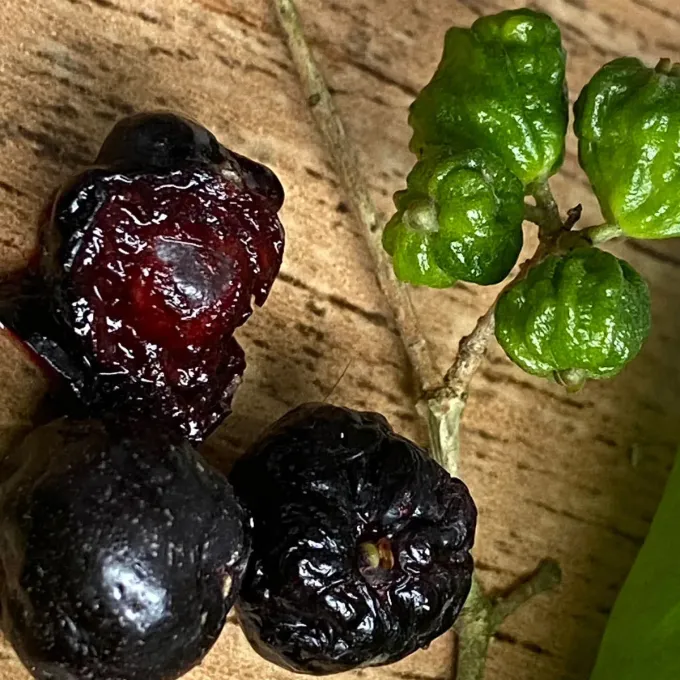
Description
Growing requirements
Eugenia platysema is a distinct species belonging to the Myrtaceae family. It is native to the tropical regions of South America, where it thrives in humid forest conditions.
The plant requires a warm tropical climate to reach its full potential. Ideally, temperatures should remain consistently between 22°C and 28°C throughout the growing season.
Soil composition is critical for this crop; it must be fertile, rich in organic matter, and possess excellent drainage capabilities to prevent root hypoxia.
Proper light management is essential for this species. While mature trees tolerate more exposure, young saplings benefit significantly from partial shading during peak sunlight hours.
Agricultural use of Eugenia platysema is primarily focused on fruit production. The plants serve both as a local food source and as botanical subjects for tropical horticulture research.
Main diseases and pests
Fungal infections represent the most significant threat to the health of Eugenia platysema, particularly in environments with high humidity and poor ventilation.
Pests such as scale insects and spider mites are known to colonize the foliage, potentially leading to leaf chlorosis and a general decline in plant vigor.
Root rot, often caused by overwatering or compacted soil, is a major agricultural challenge that requires precise moisture monitoring and management.
Maintaining a balanced ecosystem around the orchard and ensuring proper canopy airflow are essential strategies for mitigating these biological threats.
Regular sanitation, including the removal of dead or infected plant tissue, helps prevent the spread of diseases and promotes healthy tree development.