
Eugenia pitanga
Eugenia pitanga
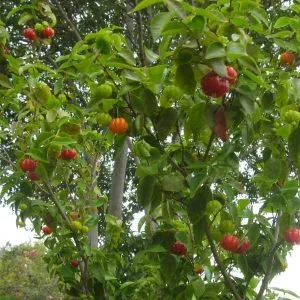
Description
Growing requirements
Eugenia pitanga is a fruit-bearing shrub or small tree belonging to the Myrtaceae family. It is native to South American regions, particularly Brazil and Paraguay, where it thrives in warm, subtropical to tropical climates.
The plant requires a stable temperature range between +22 and +28 degrees Celsius for optimal vegetative growth. It is highly sensitive to frost, necessitating greenhouse cultivation or container management in temperate zones to ensure survival during colder months.
Soil requirements include well-draining, nutrient-rich substrates with a slightly acidic pH, ideally between 5.5 and 6.5. Because the root system is prone to rot in waterlogged conditions, ensuring proper soil structure and drainage is paramount for plant health.
Eugenia pitanga is heliophilic, meaning it requires significant exposure to sunlight to develop a robust canopy and initiate blooming. While it can tolerate partial shade, full sun exposure is recommended for maximizing fruit production in agricultural settings.
Irrigation must be consistent, maintaining moderate soil moisture without inducing saturation. During the growing season, a balanced NPK fertilizer with additional micronutrients supports the plant's metabolic processes and fruit development.
Yield
The primary agricultural utility of Eugenia pitanga lies in its flavorful, nutrient-dense berries. The fruit is rich in antioxidants, vitamins, and minerals, making it a highly desirable ingredient for juices, preserves, and gourmet culinary applications.
Commercial yields depend heavily on the age of the tree, canopy management, and the efficiency of pollination. Well-maintained mature shrubs can produce a steady crop throughout the harvest season, often requiring supplemental pollination in controlled environments.
The delicate skin of the fruit limits its transportability, often necessitating on-site processing to prevent spoilage. However, its unique taste profile makes it a premium product in local markets and artisanal processing facilities.
Pruning is essential for productivity. Strategic thinning of the canopy ensures that light reaches the inner branches, which stimulates the growth of new fruiting spurs and facilitates easier harvesting for laborers.
Besides its agricultural value, Eugenia pitanga serves as an ornamental plant due to its glossy foliage and attractive flowers. This dual-purpose utility enhances its economic viability for small-scale farms and domestic growers alike.
Main diseases and pests
Common pests affecting Eugenia pitanga include scale insects and mealybugs, which feed on the sap of young stems and leaves. If left unchecked, these infestations can severely stunt plant growth and reduce overall fruit set.
Fungal diseases, specifically root rot, occur frequently when drainage is inadequate or when the soil remains too wet for extended periods. Maintaining strict moisture control is the best preventative measure against these soil-borne pathogens.
Anthracnose can also impact leaves and fruits during periods of high humidity and poor air circulation. The use of copper-based fungicides or appropriate biological control agents is recommended to manage outbreaks during wet, humid weather.
Spider mites are a recurring threat, particularly in dry, indoor environments or greenhouses with low humidity. Regular misting and monitoring are vital to prevent large-scale outbreaks that can quickly defoliate the plant.
Sanitation practices, such as removing fallen leaves and pruning dead wood, play a critical role in disease management. Keeping the growing area clean minimizes the environment where fungal spores and pests can thrive.