
Eugenia palumbis
Eugenia palumbis
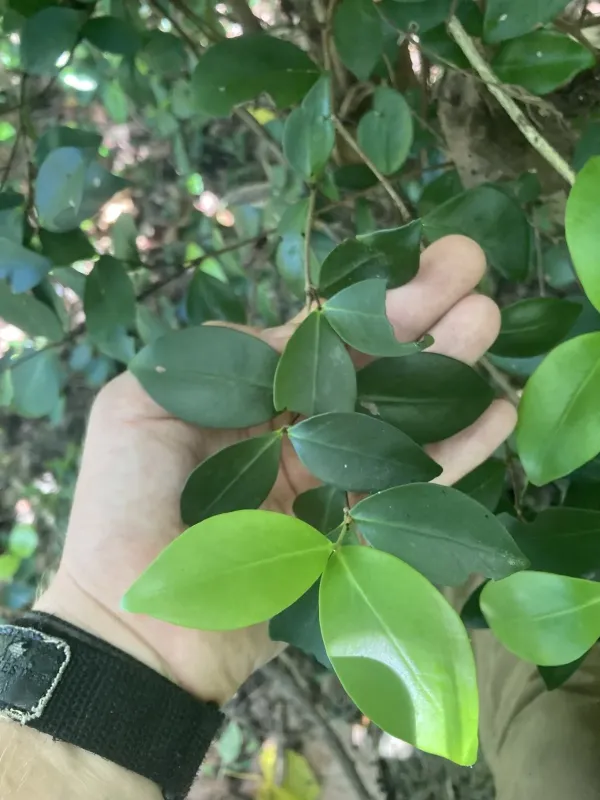
Description
Sowing dates
Eugenia palumbis is a tropical evergreen species belonging to the Myrtaceae family. For successful propagation, seeds must be sown as soon as they are harvested, as they have a very short lifespan and lose viability quickly if stored improperly.
The seeding substrate should be a well-draining mixture of peat, perlite, and coarse sand. Maintaining constant moisture is essential during the germination phase, which usually takes several weeks under tropical climate conditions.
Temperature control is vital during the initial growth stage; keeping the soil temperature around 25°C significantly improves the germination rate and promotes the development of strong, healthy seedlings.
Once the seedlings develop two or three true leaves, they should be transplanted into individual pots to avoid overcrowding. Proper aeration is crucial to prevent damping-off, a common issue in young Eugenia plants.
Acclimatization of the plants before moving them to permanent field locations is recommended to reduce transplant shock and ensure high survival rates in the final growing environment.
Growing requirements
Eugenia palumbis thrives in fertile, well-draining soils with a slightly acidic to neutral pH. Heavy or waterlogged soils are detrimental to the root system and must be amended with organic matter.
As a tropical plant, it requires a warm, stable climate. Temperatures should generally stay between 22°C and 30°C. Any exposure to frost will severely damage or kill the plant, making greenhouse protection necessary in cooler regions.
High humidity levels are preferred, and supplemental irrigation is often needed in arid regions to mimic the tropical environment. Drip irrigation systems are highly effective for maintaining constant soil moisture.
While the species loves sunlight, young trees benefit from light shading during the peak afternoon hours to prevent leaf scorching and excessive water loss through transpiration.
Consistent fertilization using balanced NPK formulas, supplemented with micronutrients, is essential for maintaining vigorous growth and high fruit quality throughout the long growing season.
Main diseases and pests
Fungal diseases are the primary threat, particularly anthracnose, which thrives in high-humidity conditions and affects leaves and branches. Preventive fungicide application and good airflow management are key.
Pests like scale insects and mealybugs can cause significant damage by feeding on sap and excreting honeydew, which leads to the growth of sooty mold. Regular scouting and biological control methods are highly effective.
Root nematodes can cause poor growth and overall decline in mature trees. Using nematode-resistant rootstocks or implementing soil solarization can help minimize these risks before planting.
Aphids are another potential nuisance, as they can transmit viral diseases. Monitoring the underside of young leaves for signs of infestation is a standard practice for maintaining plant health.
Integrated Pest Management (IPM) strategies, including canopy thinning and removing debris, help ensure a healthy plantation and high-quality yield, reducing reliance on heavy chemical interventions.
Harvesting
Harvesting Eugenia palumbis fruits is a delicate manual process. Because fruit ripeness is not uniform, workers must pick the fruits in multiple passes over several weeks to ensure peak quality.
Fruits are highly perishable and prone to bruising, so they must be handled with extreme care. Placing them in shallow, padded containers helps preserve their integrity during the transition from field to storage.
Post-harvest cooling is critical to slow down the fruit's respiration rate, which helps extend the shelf life for distribution. Cold chain logistics should be maintained as much as possible.
Sorting and grading based on size and skin color allow for better marketing, as consistent batches of fruit are preferred by consumers and wholesalers for their aesthetic and quality value.
Efficient transportation, involving vibration-dampening packaging, is necessary to minimize damage during shipping, ensuring that the fruit reaches the market in optimal condition.