
Eugenia noumeensis
Eugenia noumeensis
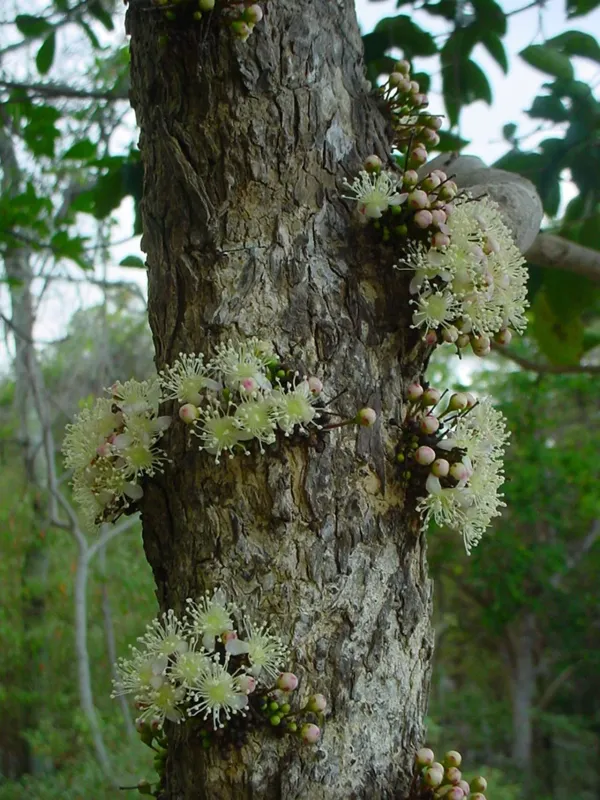
Description
Growing requirements
Eugenia noumeensis is a distinguished member of the Myrtaceae family, native to the tropical ecosystems of New Caledonia. This evergreen species is valued for its unique botanical profile and potential for specialized ornamental and horticultural use in controlled environments.
The plant requires a strictly tropical climate with consistent temperatures between 20°C and 28°C. It is highly sensitive to cold, and any exposure to frost or temperatures below 10°C will cause severe metabolic damage and foliage drop, making it unsuitable for outdoor growth in temperate zones.
Regarding soil requirements, it thrives in well-draining, nutrient-rich, and slightly acidic substrates. It is essential to ensure that the rooting medium is porous to facilitate gas exchange, as the roots are particularly prone to asphyxiation in compacted or waterlogged soils.
Irrigation must be precise; while the plant requires consistent moisture to sustain its lush foliage, it does not tolerate permanent waterlogging. A scheduled watering approach, allowing the top layer of the substrate to dry slightly between sessions, is the most effective way to manage its water needs.
Light intensity is another critical factor. While Eugenia noumeensis prefers bright, indirect sunlight, it can adapt to lower light levels, though this will significantly slow down growth rates. In high-sunlight environments, providing diffused light is recommended to prevent leaf scorching.
Main diseases and pests
The plant is susceptible to common pests such as aphids and mealybugs, which tend to congregate in the new growth and leaf axils. Infestations should be managed early through mechanical removal or the application of organic horticultural oils.
Fungal pathogens represent the most significant threat, especially when ambient humidity is high and ventilation is poor. Leaf spot diseases and mildew are frequent complications that require aggressive sanitation and fungicide treatment if left unmanaged.
Root rot, often caused by Pythium or Phytophthora species, remains a major risk factor linked to overwatering. Once established, these infections are difficult to eradicate, necessitating strict adherence to drainage management and irrigation schedules.
Maintaining adequate air circulation is the best preventive measure against most foliar diseases. Using fans or strategic placement in the growing area helps keep the foliage dry, which significantly reduces the risk of fungal spore germination.
Integrated pest management (IPM) practices are highly recommended for this species. This involves introducing natural predators, using sticky traps, and monitoring health regularly to ensure that minor issues do not evolve into a major crop failure.