
Eugenia mozomboensis
Eugenia mozomboensis
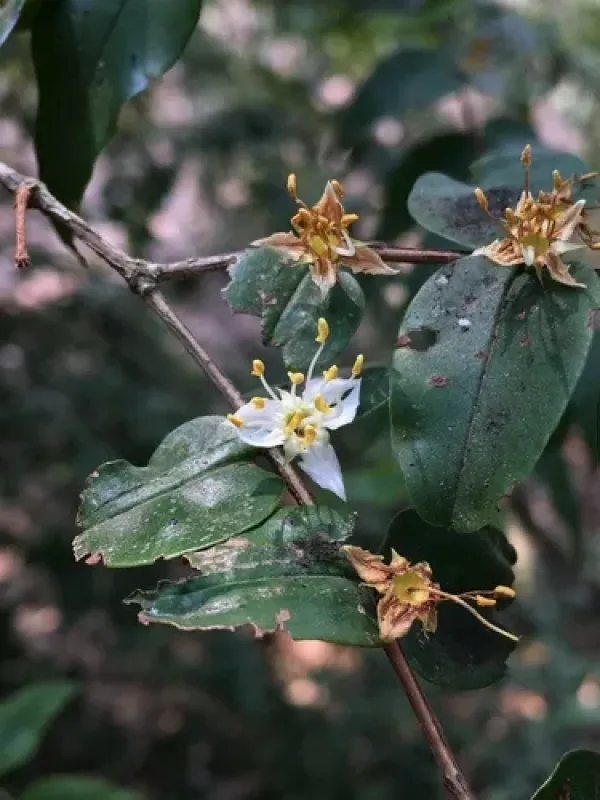
Description
Growing requirements
Eugenia mozomboensis is a member of the Myrtaceae family, a diverse group of woody plants known for their aromatic foliage and fruit production. It originates from the tropical regions of Mexico, specifically identified in Veracruz, where it flourishes in its native forest habitat.
The plant thrives in environments characterized by high humidity and consistent tropical temperatures. It requires a stable climate without the risk of frost, as any exposure to cold spells can cause significant damage to the plant's metabolic functions.
Regarding soil requirements, this culture demands well-draining substrates rich in organic matter. While it adapts to various soil types, maintaining a slightly acidic to neutral pH is essential for optimal nutrient absorption and vigorous growth.
Agricultural management includes precise irrigation cycles to prevent both water stress and waterlogging. Providing consistent moisture levels is critical for the plant to successfully complete its phenological stages.
Mulching is a highly recommended practice for this species, as it helps conserve soil moisture and suppresses the growth of competitive weeds. Fertilization should be balanced, focusing on organic amendments to support overall plant vitality.
Harvesting
The primary economic use of Eugenia mozomboensis is centered on its edible fruit. These fruits are appreciated for their unique flavor profile and are often consumed fresh or integrated into local culinary traditions as ingredients for beverages.
Beyond its culinary potential, the plant possesses significant ornamental value. Its evergreen canopy and distinct floral features make it an attractive candidate for landscaping in tropical and subtropical regions where the climate allows for year-round growth.
Harvesting is a manual process that must be performed with great care to avoid bruising the delicate fruit skin. Timing is crucial, as the fruit quality peaks at a specific stage of ripeness which can be identified by its color transition.
Post-harvest management is challenging due to the fruit's high moisture content and short shelf life. Proper cooling techniques are necessary to extend the viability of the produce during distribution within local markets.
Future research into this species could lead to more efficient orchard management practices. By selecting superior genotypes, growers may be able to increase yield stability and fruit quality for wider agricultural applications.