
Eugenia lucida
Eugenia lucida
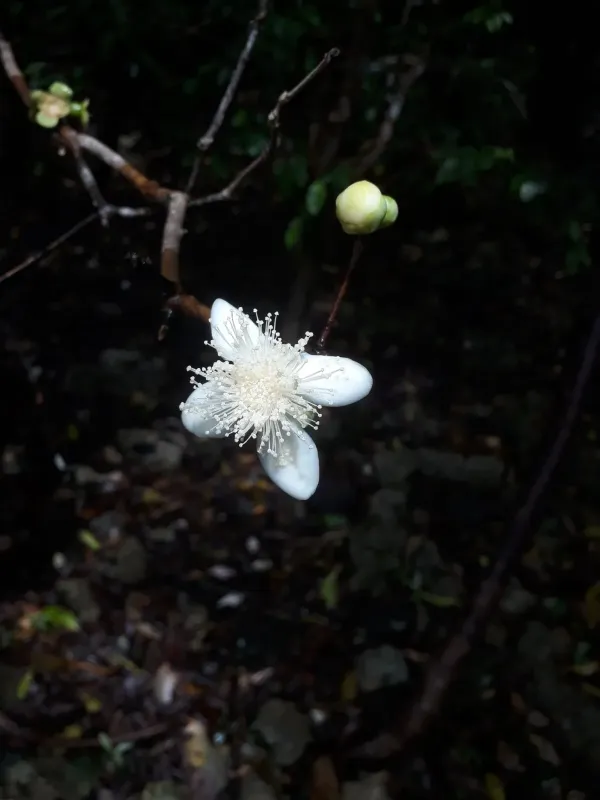
Description
Growing requirements
Eugenia lucida is a notable species belonging to the Myrtaceae family. It is recognized for its glossy, evergreen foliage and is widely cultivated for both ornamental purposes and its edible potential.
This species is native to tropical climates, requiring consistent temperatures throughout the year. It does not tolerate frost, making greenhouse cultivation essential in regions with colder winters.
The plant thrives in well-draining, nutrient-rich soils. It prefers a slightly acidic to neutral pH level, which ensures optimal nutrient uptake and promotes vigorous vegetative growth.
Light requirements are significant; while it enjoys full sun, the plant benefits from light shade during the hottest parts of the day to prevent leaf scorch in sensitive specimens.
Agronomic management includes frequent irrigation during the peak growing season. Maintaining consistent soil moisture is crucial, provided that effective drainage systems prevent root saturation.
Main diseases and pests
Common pests affecting Eugenia lucida include scale insects and mealybugs. These pests cluster on stems and undersides of leaves, extracting plant sap and weakening the structure.
High humidity and poor air circulation often lead to fungal issues, such as powdery mildew or leaf spot, which can severely compromise the plant's aesthetic and physiological health.
Integrated pest management (IPM) strategies, including the use of horticultural oils and systemic insecticides, are recommended to control infestations without harming the environment.
Root rot is a major threat caused by overwatering or compacted soil. Proper drainage and aeration are the primary preventive measures against soil-borne pathogens.
Maintaining a clean growing environment by removing fallen leaves and pruning dead wood significantly reduces the pressure from potential diseases.
Harvesting
The harvest of fruits is performed once they reach peak maturity. The fruit typically changes color, signaling that it is ready for collection and immediate culinary processing.
Manual harvesting is necessary to ensure the integrity of the fruit, as the delicate skin is easily bruised during mechanical handling or automated sorting processes.
Post-harvest handling involves cool storage to maintain freshness. The fruits are commonly utilized in the production of jellies, jams, and traditional regional beverages.
Pruning is an essential part of the production cycle, conducted after the fruiting season to maintain the desired canopy architecture and encourage future fruit production.
As a sustainable crop, Eugenia lucida requires minimal chemical inputs if grown in its ideal climatic zone, making it suitable for organic cultivation practices.