
Eugenia ligustrina
Eugenia ligustrina
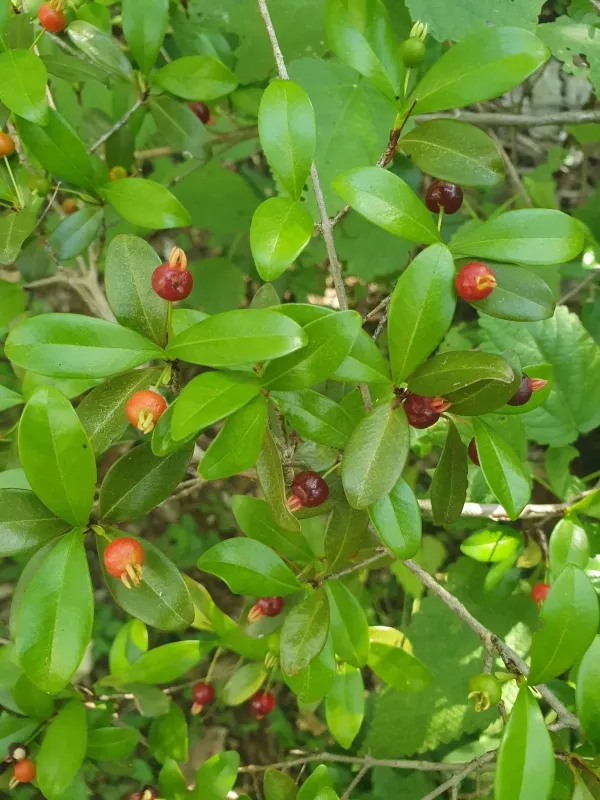
Description
Growing requirements
Eugenia ligustrina is a perennial evergreen shrub or small tree belonging to the Myrtaceae family, known for its dense foliage and adaptability to tropical climates.
Originating from the Caribbean region and parts of South America, the plant thrives in environments characterized by high humidity and year-round warmth.
Successful cultivation requires consistent temperature levels, as the species is highly sensitive to frost and cold drafts which can damage its vegetative parts.
The soil should be fertile, well-draining, and slightly acidic, ensuring that roots are protected from waterlogging while maintaining necessary nutrient uptake.
Adequate sunlight is essential for healthy growth, though the plant can tolerate partial shade in hotter climates to prevent leaf scorching during peak midday heat.
Yield
The primary use of Eugenia ligustrina is in landscape architecture, where it is favored for creating formal hedges and topiary figures due to its dense, pliable branches.
The plant produces small, edible berries that are gathered by local populations for culinary purposes, reflecting its role as a minor food source in its native range.
Its wood, although usually small in diameter, is valued for its density and fine texture, occasionally being used for artisanal woodcraft and small-scale tool handles.
The foliage contains aromatic oils, which are of interest for pharmacological and cosmetic research, potentially adding value to the plant beyond its ornamental status.
Proper pruning techniques can significantly increase the leaf density and overall health of the plant, ensuring a productive growth cycle year after year.
Main diseases and pests
Common health issues in Eugenia ligustrina include fungal infections such as leaf spots, often exacerbated by poor air circulation or excessive moisture on the foliage.
Pests such as scale insects, mealybugs, and spider mites are frequent threats, often attaching themselves to the undersides of leaves and sucking plant sap.
Root rot is a critical risk, typically caused by poorly structured soil that prevents proper aeration and leads to the accumulation of stagnant water.
Integrated pest management strategies, including the use of horticultural oils and regular monitoring, are recommended to maintain plant health.
Maintaining a balanced fertilization schedule helps the plant withstand stress and strengthens its resistance to various environmental and biological pressures.