
Eugenia buxifolia
Eugenia buxifolia
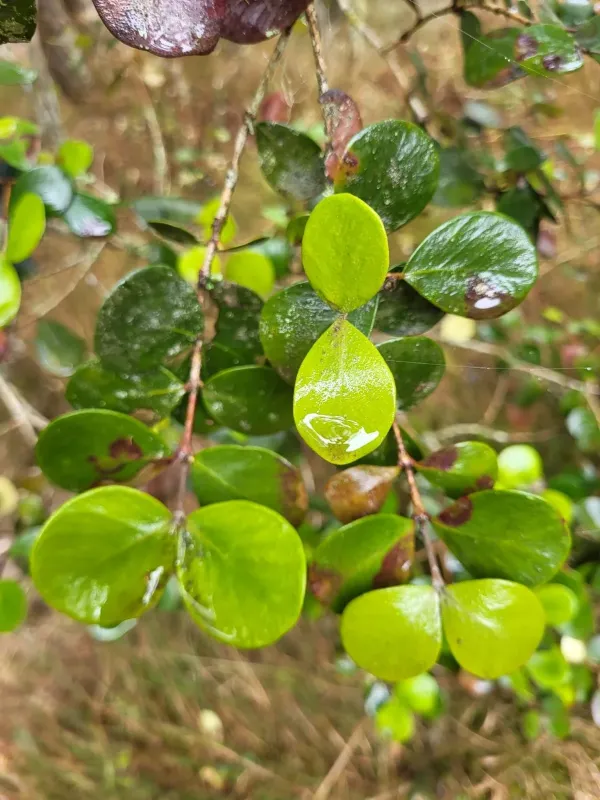
Description
Growing requirements
Eugenia buxifolia is a woody shrub belonging to the Myrtaceae family. It is native to the Caribbean and Florida, thriving in tropical and subtropical environmental conditions.
The plant requires full sun to partial shade for optimal growth. It is highly valued for its dense, glossy foliage and its ability to withstand pruning, making it ideal for hedge formations.
Climate requirements for this species include protection from frost. While it can adapt to various conditions, it performs best in temperatures above 15 degrees Celsius throughout the year.
Soil composition must prioritize drainage. A well-aerated, slightly acidic substrate is recommended to prevent waterlogging, which the plant is highly sensitive to.
Maintenance involves periodic pruning to maintain shape and density. Irrigation should be consistent, ensuring the top layer of soil dries out slightly between watering sessions.
Main diseases and pests
Scale insects represent the most significant pest pressure for Eugenia buxifolia, often appearing on the stems and undersides of leaves, weakening the plant's vigor.
Spider mites can rapidly infest the plant in dry environments, causing discolored foliage and potential leaf drop if the infestation remains unmanaged.
Fungal pathogens such as powdery mildew may occur in areas with poor ventilation and high humidity, necessitating the use of targeted fungicides.
Root rot is a critical physiological threat typically caused by excessive irrigation or improperly drained soil containers.
Effective management includes regular inspection and maintaining hygiene in the cultivation area to prevent the rapid spread of common tropical pests and diseases.