
Eucalyptus orbifolia
Eucalyptus orbifolia F. Muell.
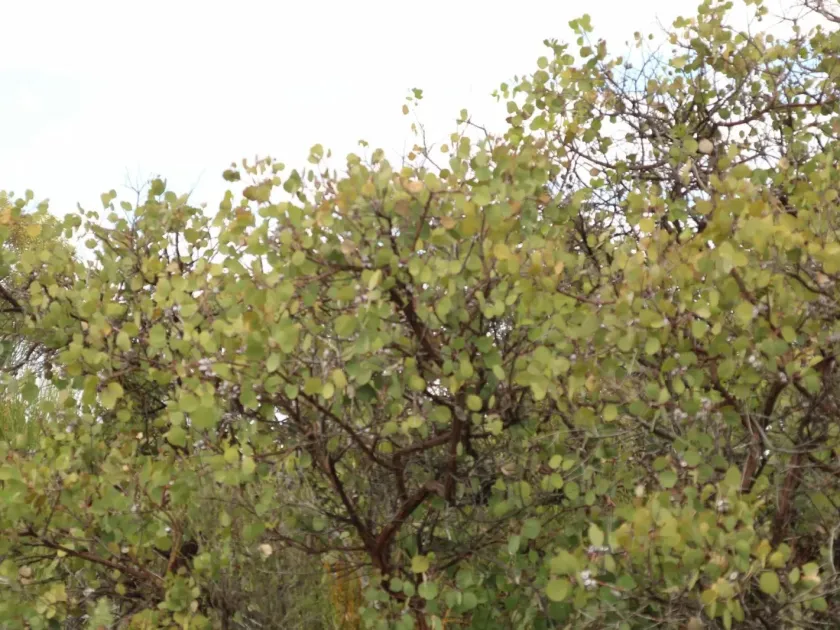
Description
Growing requirements
Eucalyptus orbifolia, commonly known as the Round-leaved Mallee, is a species belonging to the Myrtaceae family. It is native to the semi-arid regions of Western Australia, where it thrives in harsh environments characterized by low rainfall and high solar radiation.
The plant is classified as a mallee, meaning it typically grows as a multi-stemmed shrub with a lignotuber from which new shoots emerge. It rarely reaches the stature of a large tree, making it an excellent choice for ornamental gardening in regions with limited space.
Environmental requirements for this species include full sun exposure and excellent drainage. It is highly intolerant of waterlogged soils, which quickly lead to root rot; therefore, planting in raised beds or sandy, rocky substrates is highly recommended for optimal development.
Eucalyptus orbifolia is remarkably drought-tolerant, exhibiting physiological adaptations such as glaucous, thick leaves that minimize transpiration. These traits allow the plant to survive extended heatwaves while maintaining its distinct grey-blue appearance.
Regarding soil, this species prefers neutral to slightly acidic conditions. It has evolved in nutrient-poor soils and does not require frequent fertilization; in fact, excessive application of phosphorus-rich fertilizers can be toxic to the roots and should be strictly avoided.
Harvesting
The primary economic use of Eucalyptus orbifolia is in the landscape and nursery industry. It is highly valued for its aesthetic appeal, specifically its silvery-round leaves and smooth bark, which add significant visual interest to xeriscaping projects.
In the floral industry, the branches are highly sought after as permanent botanical elements in arrangements. Their ability to retain their shape and color after cutting makes them a premium choice for high-end florists looking for long-lasting greenery.
Potential extraction of essential oils from the leaves is an area of ongoing interest. The volatile compounds found in the foliage have potential applications in natural biocides and aromatic industries, although large-scale commercial extraction is currently limited.
The wood, while very dense and strong, is typically not harvested for timber due to the shrub-like growth habit of the plant. However, it can be utilized in small-scale craft projects or as a high-quality fuel source for localized heating purposes.
Harvesting for commercial floristry requires careful pruning techniques. By selectively removing older stems, growers can stimulate the production of new, juvenile-like foliage, which is often considered more attractive for cut flower production and helps maintain the health of the plant.