
White eucalyptus
Eucalyptus alba Reinw. ex Blume
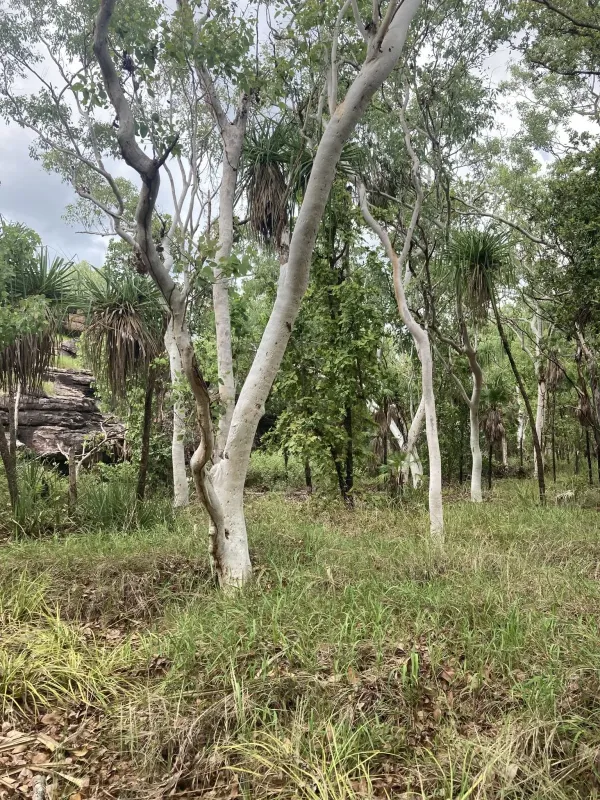
Description
Sowing dates
Eucalyptus alba, belonging to the Myrtaceae family, is propagated primarily through seeds in nursery environments. Sowing typically begins in late winter or early spring to ensure seedlings benefit from adequate warmth and sunlight as they emerge.
The seeds are tiny and require a well-draining, sterile substrate. They should be sown on the surface with minimal covering to allow light penetration, which is crucial for successful germination in this species.
Seedlings are pricked out once they develop their first set of true leaves. Maintaining consistent moisture is vital, as delicate root systems can easily succumb to either excessive dryness or waterlogging.
Plants are generally ready for field planting after 4 to 6 months of growth. Acclimatization is essential, involving a gradual transition from shaded nursery conditions to full outdoor solar exposure.
Field planting is ideally scheduled for the onset of the rainy season to allow the root systems to establish firmly before any periods of potential moisture stress occur in the environment.
Growing requirements
Eucalyptus alba is a strictly tropical species, native to regions including Indonesia and Northern Australia. It is highly intolerant of frost, requiring a stable, warm climate throughout the year to maintain its rapid growth rate.
The species is a light-demander and requires full sun exposure. Inadequate light results in etiolated growth, weakened stems, and reduced resistance to environmental stressors like high winds.
It prefers well-drained, sandy, or alluvial soils. While it can adapt to lower nutrient levels, superior timber yield is achieved in deep, fertile soils with a slightly acidic to neutral pH level.
Annual rainfall requirements are significant, typically exceeding 1000–1500 mm. In arid or drought-prone regions, supplemental irrigation is necessary during the early stages of establishment to ensure survival.
The species performs poorly in waterlogged soils where root aeration is restricted, making site selection and drainage management critical aspects of successful plantation establishment.
Yield
White eucalyptus is primarily cultivated for its high-quality timber, which is utilized in the construction, furniture, and pulp industries. Its ability to grow rapidly makes it a preferred species for short-rotation forestry.
Yield is measured by the annual increase in wood volume per hectare. With proper site management and planting densities of 1500 to 2000 trees per hectare, it provides significant biomass returns for industrial use.
Beyond wood products, the foliage contains essential oils. These extracts have medicinal applications, adding value to the plantation as a secondary source of raw material for the pharmaceutical and chemical sectors.
The rotational cycle for timber harvest is relatively short, often ranging from 7 to 12 years depending on the intended final product, such as plywood or general industrial timber.
Economic profitability is tied to the efficiency of the plantation's silvicultural management, including thinning and weed control during the early years to promote straight, branch-free trunk development.
Main diseases and pests
Fungal diseases, including various types of leaf spot and root rot, represent the most significant threat to White eucalyptus, particularly in areas with high humidity or poor soil drainage.
Insect pests, such as leaf miners and wood-boring beetles, can cause extensive damage to both young saplings and mature trees, significantly reducing the commercial value of the harvestable timber.
Integrated pest management strategies, involving both biological controls and the selection of disease-resistant planting stock, are essential to maintain plantation health and long-term viability.
Regular monitoring of the canopy is recommended to identify early signs of infestation or infection, allowing for localized treatments before issues become widespread across the plantation site.
- Maintain appropriate spacing to promote air circulation.
- Sanitize tools to prevent the spread of fungal spores.
- Monitor leaf condition for signs of insect damage.