
Eucalyptus gunnii
Eucalyptus gunnii Hook. f.
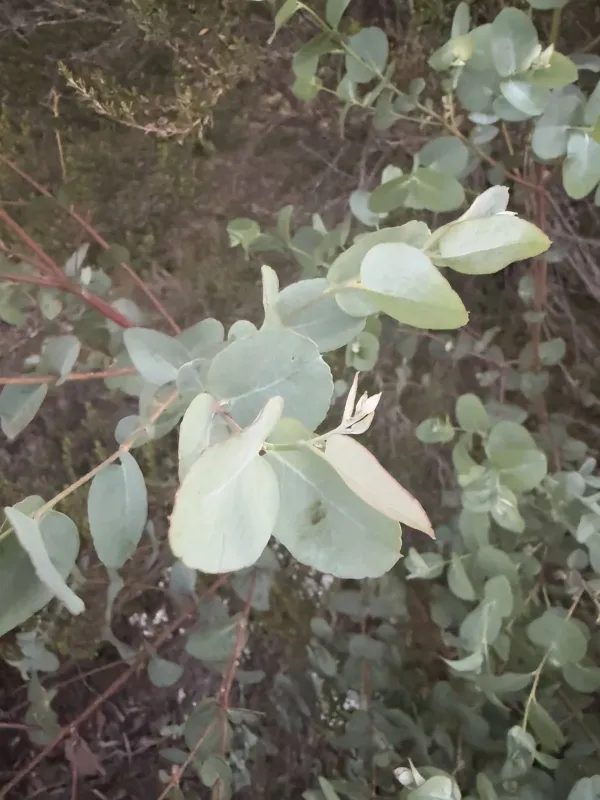
Description
Sowing dates
Sowing seeds of Eucalyptus gunnii is best performed in early spring within greenhouse conditions. The seeds exhibit relatively low germination energy, necessitating a pre-sowing stratification period of 30 to 60 days at approximately +4°C to break dormancy.
A light, porous, and slightly acidic substrate is required for successful germination. The seeds should be sown on the surface and barely covered, as they require light to stimulate the biological processes of sprouting.
The optimal temperature for seed development ranges from +20°C to +24°C, with strict control over moisture levels. Excessive humidity can lead to damping-off disease, which is particularly destructive to young, tender seedlings.
Pricking out the seedlings into individual containers is recommended once they develop two or three pairs of true leaves. This promotes the development of a robust root system before the plants are transitioned to permanent growth sites.
Transplanting into the open field should only occur once the risk of late spring frost has completely passed. Initial growth stages require protection from harsh winds and direct scorching sunlight until the plant is properly established.
Growing requirements
Eucalyptus gunnii, belonging to the Myrtaceae family, is renowned for its exceptional cold tolerance compared to other eucalyptus species. It can withstand short periods of freezing temperatures, making it a popular choice for temperate climates.
The plant thrives in full sun, which is essential for maintaining the dense foliage and the characteristic glaucous, blue-green hue of its leaves. In shaded areas, the plant tends to become leggy and loses its ornamental appeal.
Well-drained soil is a fundamental requirement. While it adapts to various soil types, it prefers fertile, slightly acidic, or neutral substrates. Waterlogged conditions are detrimental and must be avoided to prevent root rot.
During the active growing season, consistent moisture is vital. However, once established, the plant exhibits moderate drought tolerance. Humidity levels should be managed, particularly for containerized plants kept indoors during winter.
Container cultivation is a common practice in colder regions. During the winter, the plants should be moved to a cool, bright area with temperatures around +5°C to +10°C, maintaining minimal hydration to avoid overwatering.
Yield
The agricultural yield of Eucalyptus gunnii is primarily measured in terms of biomass production for the floral and essential oil industries. Its rapid growth rate makes it a highly efficient species for intensive cultivation.
The foliage is highly valued in the florist trade for its long-lasting, aromatic qualities and unique color. Harvesting stems regularly stimulates lateral growth and creates a more compact, bushier habit in young trees.
Essential oil extraction from the leaves is another significant economic direction. The oil is utilized in pharmaceutical, cosmetic, and cleaning products due to its high concentration of cineole and other aromatic compounds.
As a landscape specimen, the tree provides year-round visual interest. Its ability to regrow vigorously after pruning ensures a sustainable supply of foliage for multiple years from the same plantation.
While wood production is not the primary objective for this species, its rapid biomass accumulation makes it an interesting subject for short-rotation forestry, provided the specific soil requirements are met.
Main diseases and pests
Root rot caused by Phytophthora species is one of the most severe threats, often triggered by poor drainage or overwatering. Maintaining the correct moisture balance is the most effective preventative measure.
Pests such as aphids and spider mites frequently affect plants kept in confined spaces or areas with low relative humidity. Regular monitoring and integrated pest management are necessary to prevent infestations.
Powdery mildew can emerge under conditions of poor air circulation and fluctuating temperatures. Ensuring adequate spacing between plants significantly reduces the risk of fungal outbreaks in the canopy.
Nutrient deficiencies, particularly chlorosis caused by iron shortages or high soil alkalinity, can inhibit growth. Soil analysis and corrective applications of chelated micronutrients are often required to restore vitality.
General stress from extreme environmental shifts can leave the plant vulnerable to secondary infections. Keeping the plants in stable conditions is key to ensuring their long-term health and productivity.
Harvesting
Foliage harvesting for decorative use is typically performed throughout the growing season. Stems are cut using sharp, sterilized tools to ensure clean wounds that heal quickly, preventing potential pathogen entry.
For essential oil production, the harvest is timed to coincide with the peak concentration of active compounds in the leaves. Careful planning ensures that the biomass is processed immediately to maintain oil quality.
Autumn pruning serves a dual purpose: it yields additional biomass and prepares containerized plants for indoor storage. This process reduces the risk of leaf dehydration during the winter months.
It is important to avoid over-harvesting at any single time, allowing the plant sufficient recovery period for vegetative regeneration. A staggered harvesting rotation is recommended for commercial plantations.
Proper post-harvest handling includes drying the foliage in well-ventilated, shaded areas to preserve the color and scent. This standard procedure ensures the final product meets market requirements for quality and durability.