
Southern blue gum
Eucalyptus globulus Labill. subsp. pseudoglobulus (Naudin ex Maiden) J. B. Kirkp.
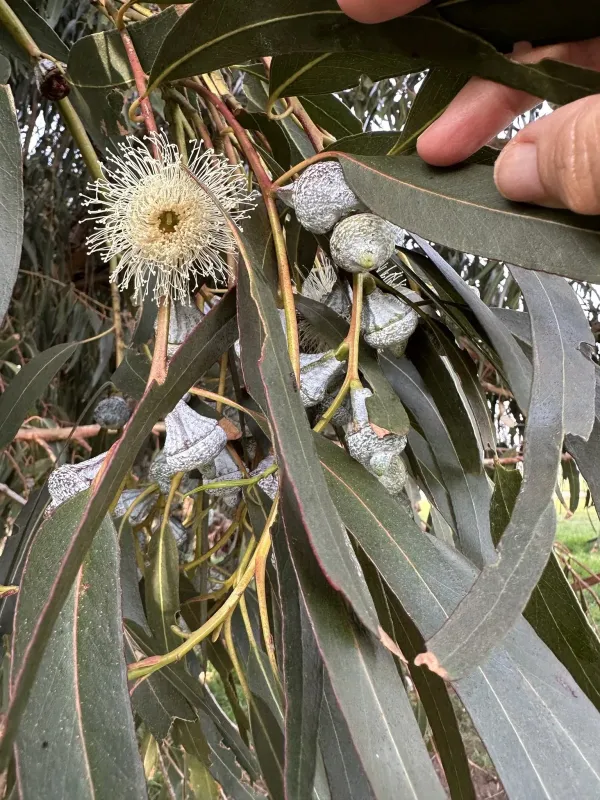
Description
Sowing dates
Eucalyptus globulus pseudoglobulus is primarily propagated via seeds in controlled nursery environments. The optimal time for sowing in seedbeds is late winter or early spring, ensuring that seedlings develop a robust root system before being transplanted into the field.
Before sowing, seeds require stratification for 1 to 2 months at low positive temperatures. This process significantly improves germination energy and ensures uniform emergence, which is essential for consistent development in industrial forestry.
Transplanting seedlings to their final location is carried out once the risk of spring frost has completely passed. The soil must be sufficiently warm to promote rapid root establishment and minimize stress during the critical first weeks of growth.
For commercial forest plantations, planting density is calculated to provide optimal nutrition area for each tree. This varies depending on whether the primary goal is biomass production or high-quality timber harvesting.
In regions with mild climates, direct seeding in prepared spots is sometimes practiced, although this requires rigorous moisture control and protection from weed competition during the early stages of establishment.
Growing requirements
This eucalyptus subspecies is a fast-growing, warmth-loving species. It thrives in subtropical or mild temperate climates, avoiding areas prone to prolonged hard frosts, which can cause severe crown damage and inhibit growth rates in young trees.
The culture requires high levels of light exposure for optimal photosynthesis and the accumulation of secondary metabolites, such as essential oils. Maximizing solar radiation throughout the growing season is crucial for high-yield plantations.
Soil quality is paramount for root development. The trees prefer deep, well-drained loams with a neutral to slightly acidic pH. Waterlogged soils must be avoided as they promote root rot and significantly hinder the plant's structural stability.
Eucalyptus exhibits specific moisture requirements, especially during its formative years. While mature trees demonstrate notable drought tolerance, supplemental irrigation is often necessary to achieve maximum biomass yield during dry spells.
Protection from high wind speeds is a critical agronomic factor, as young trees are susceptible to stem deformation. In exposed areas, the use of support stakes or temporary windbreaks is standard practice to ensure straight trunk development.
Yield
The economic value of this species lies in its unparalleled ability to produce wood biomass at an accelerated rate. Under favorable conditions, plantations can achieve record-breaking annual yields per hectare.
Leaf mass is a secondary yet highly profitable product, rich in essential oils dominated by cineole. Harvesting leaves can be performed systematically without the need to fell the main tree, providing a recurring income stream for growers.
Its timber is highly valued in the pulp and paper industry, making the crop a strategic choice for commercial plantation developers in regions with suitable climates and existing timber processing infrastructure.
Overall productivity is directly proportional to the quality of management, including timely thinning, balanced fertilization, and moisture management. Intensive cultivation methods allow for reaching commercial log sizes in a relatively short cycle.
For essential oil production, yield is calculated based on green foliage weight per hectare, necessitating periodic pruning or coppicing techniques to stimulate lateral branching and the growth of fresh, oil-rich leaves.
Main diseases and pests
Fungal pathogens represent the primary threat to plantation health, particularly in environments with high humidity and stagnant air. These diseases often manifest as leaf spots or shoot blight, leading to reduced vitality and growth stagnation.
Insect pests, including various leaf-eating beetles and the eucalyptus snout beetle, pose significant risks. Infestations can reach critical levels rapidly, requiring vigilant monitoring and integrated pest management strategies.
Disease prevention is centered on fungicide treatments and strict quarantine measures for all incoming planting stock to prevent the introduction of regional-specific pests and pathogens into new plantation areas.
Ongoing plantation health monitoring is a fundamental agronomic duty. Should symptoms of infection appear, immediate sanitation logging and removal of affected trees are necessary to contain the spread of the infection to healthy stands.
Ecological management of pests relies increasingly on biological control methods, such as the introduction of natural predators. This approach minimizes chemical residues in the plantation environment and supports long-term ecological balance.
Harvesting
Timber harvest occurs when trees reach the desired commercial maturity, typically ranging from 10 to 20 years depending on the intended final product and market specifications regarding log diameter.
For essential oil production, leaf harvesting is fully mechanized using specialized forest machinery, which efficiently collects foliage while minimizing manual labor costs and maximizing operational throughput.
Post-harvest handling is critical, as leaf material must be transported to the distillery promptly. Prolonged storage of harvested material leads to the evaporation of volatile essential oils, directly reducing the final product's quality.
Eucalyptus species often possess the ability to coppice. After the primary stem is harvested, the existing root system produces new shoots, allowing for subsequent harvests without the need for additional replanting, thus lowering costs.
Logistics planning for biomass extraction is essential for profitability. Given the high volume of material handled, well-maintained all-weather access roads are required to allow heavy machinery entry during the harvest season.