
Wandoo
Eucalyptus wandoo
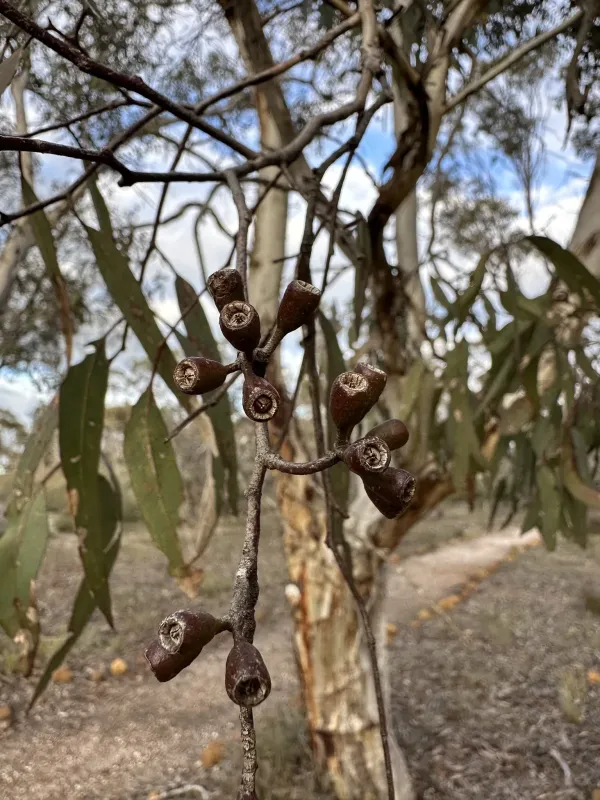
Description
Sowing dates
Sowing of Eucalyptus wandoo seeds is conducted in specialized tree nurseries. The ideal timing for starting seedlings is during the spring, which ensures stable positive temperatures and adequate daylight for rapid initial growth.
Seeds require a period of stratification to improve germination rates significantly. Sowing is carried out in a loose, nutrient-rich substrate mixed with sand to ensure proper drainage and prevent the development of damping-off pathogens.
Pricking out the seedlings into individual containers is a critical step for developing a robust root system. Once the saplings reach a height of 20 to 30 centimeters, they undergo an acclimatization process before being planted in the field.
In the wild, natural regeneration occurs when mature seed capsules release seeds onto the forest floor. Artificial reforestation requires precise spacing to ensure optimal growth and minimize early competition between individual trees.
Agronomists recommend using nursery containers to protect young roots during transport and planting. This method significantly increases the survival rate of the saplings and ensures a more uniform plantation density.
Growing requirements
The Wandoo tree belongs to the Myrtaceae family and is native to the southwestern regions of Western Australia. It is highly adapted to climates with hot, dry summers and mild, moist winters.
The species demonstrates remarkable resilience to drought and periods of moisture deficiency. It prefers loamy or sandy soils but can also thrive on clay-based soils, provided they offer sufficient depth for root penetration.
Sunlight is a vital factor for the healthy development of Eucalyptus wandoo. The tree requires open areas with intense sunlight to form its characteristic smooth bark and maintain a sturdy, upright trunk structure.
The tree is sensitive to high soil salinity, which should be monitored during the establishment of new plantations. While it can withstand moderate frosts, prolonged cold temperatures may cause damage to the canopy of young trees.
Good soil aeration is essential for the tree's health, as the root system requires access to oxygen. Compaction of the soil can lead to stunted growth and increased susceptibility to environmental stresses.
Yield
Eucalyptus wandoo is highly valued in the forestry sector for its high-quality hardwood. The timber is recognized for its exceptional density, hardness, and durability, making it an excellent resource for heavy construction.
The wood is frequently utilized for creating structural components, high-quality flooring, and durable outdoor furniture. Due to its resistance to decay, it is also a preferred material for railway sleepers and fencing posts.
Beyond timber production, the species serves as a significant honey source. The honey produced from Wandoo flowers is highly regarded in the food industry for its unique flavor profile and nutritional properties.
The yield of timber is determined by the age of the plantation and sustainable harvesting cycles. Careful management practices allow for long-term productivity while maintaining the ecological balance of the forest area.
Energy-related use is another application for wood harvested during thinning processes. Its high calorific value makes it a reliable fuel source, contributing to the overall economic value of the Wandoo plantations.
Main diseases and pests
The main pests threatening Eucalyptus wandoo are various leaf-eating insects, including specific species of beetles. Defoliation caused by these pests can lead to reduced photosynthetic activity and slower growth rates.
Fungal diseases, particularly root rots, represent a significant threat if the soil remains waterlogged. Preventing excess moisture in the root zone is the primary defense strategy against these harmful pathogens.
During extreme drought events, the trees become susceptible to wood-boring insects. These pests can compromise the integrity of the trunk, requiring integrated pest management strategies to maintain tree health.
Wildfires pose a major risk to young plantations, as the saplings have not yet developed the thick, protective bark of mature trees. Regular maintenance of firebreaks is essential to safeguard the investment in the forest.
Competition from invasive weed species can suppress the growth of young seedlings by consuming nutrients and water. Regular weeding and mulching around the base of the trees are necessary to ensure optimal development in the first years.