
Urn-fruited eucalyptus
Eucalyptus urnigera
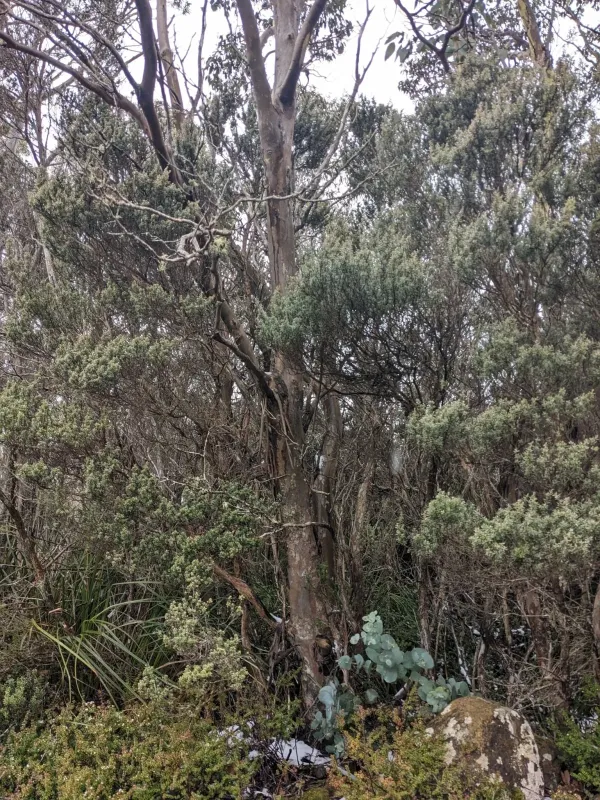
Description
Sowing dates
Eucalyptus urnigera is a member of the Myrtaceae family, known for its distinct urn-shaped fruits. Propagation is typically performed via seeds, which should be sown in a sterile potting mix during early spring.
The seeds require light to germinate and should be sprinkled onto the surface of the soil. Maintaining a constant temperature of approximately 20°C ensures a higher percentage of successful germination.
Once the seedlings develop two pairs of true leaves, they should be transplanted into individual containers to prevent root entanglement. This ensures that each seedling develops a strong, healthy root system.
Gradual acclimatization to outdoor conditions is necessary before final planting. This hardening process helps the young plants build resistance to fluctuating temperatures and direct UV exposure.
Planting in the field should only occur after the risk of late spring frosts has passed. Choosing a site with deep soil and adequate space for future growth is crucial for the longevity of the stand.
Growing requirements
This species thrives in well-drained, slightly acidic to neutral soils. It is particularly sensitive to waterlogging, which can cause root asphyxiation, so ensuring proper soil drainage is a priority.
Eucalyptus urnigera is recognized for its frost hardiness, making it one of the few eucalyptus species suitable for cooler climates. However, protection from severe winter winds remains essential.
Full sunlight is a critical requirement for this species. Inadequate light exposure leads to spindly growth and diminished foliage density, which weakens the tree's overall structural integrity.
Watering schedules should be adjusted according to seasonal needs. While young trees require consistent moisture, established specimens can tolerate short periods of moderate dryness.
Organic mulching around the base of the tree helps retain soil moisture during the summer months and protects the roots from extreme temperature fluctuations during the dormant season.
Main diseases and pests
Root rot caused by Phytophthora species is a major threat in poorly drained soils. Avoiding over-irrigation is the most effective cultural practice to prevent this soil-borne pathogen.
Aphids and mites can pose significant problems in nurseries. Early detection and the use of integrated pest management strategies are recommended to maintain plant health without chemical reliance.
Leaf spot diseases, often triggered by prolonged humidity, may affect the foliage. Improving air circulation by proper spacing and thinning helps mitigate the risk of fungal spread.
Eucalyptus-specific defoliators can impact young plantations. Regular inspections allow for early identification of pest outbreaks before they lead to significant economic or aesthetic damage.
Monitoring the nutrient balance is vital, as excessive nitrogen can create soft, succulent growth that is more attractive to pests and less resilient to winter frost damage.