
Hook-leaved mallee
Eucalyptus uncinata
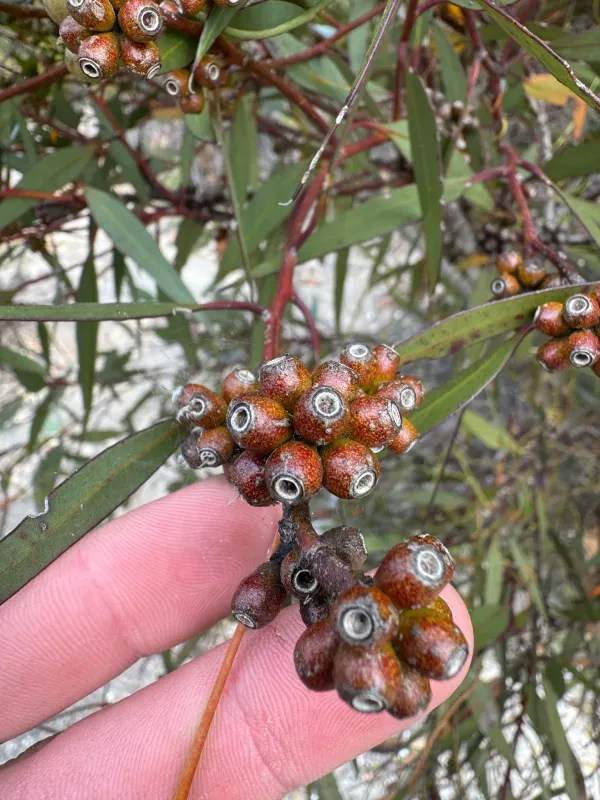
Description
Growing requirements
Hook-leaved mallee (Eucalyptus uncinata) is a distinctive member of the Myrtaceae family, native to the arid regions of Western Australia. It typically manifests as a mallee, a form of growth characterized by multiple stems arising from a subterranean lignotuber.
This species thrives in well-drained sandy or loamy soils, demonstrating exceptional tolerance for low-nutrient substrates. In agricultural practice, maintaining proper soil porosity is crucial to prevent root asphyxiation, as this plant is strictly adapted to dry and aerobic environments.
Sunlight is a primary requirement for the healthy development of Eucalyptus uncinata. Full sun exposure ensures the plant maintains its characteristic dense canopy and promotes the production of essential oils within the leaf structure.
Climate adaptation is a key feature of this species. It prefers hot, dry summers and mild winters, making it suitable for Mediterranean-type climates. Extreme frost is detrimental to the plant, necessitating protective measures in cooler temperate zones.
Beyond its botanical interest, the species is valuable for soil stabilization and as a source of aromatic compounds. Its aesthetic structure and unique foliage make it an excellent choice for xeriscaping and sustainable garden design projects.
Main diseases and pests
The primary threat to the health of the hook-leaved mallee is root rot caused by Phytophthora species or waterlogging. Ensuring a dry root zone is the most effective preventative measure for long-term cultivation.
Foliar diseases, including various types of leaf spot fungi, can occur when plants are grown in poorly ventilated areas with high humidity. Proper spacing and airflow are essential to keep the foliage dry and reduce the risk of infection.
Insect pests, such as aphids and scale insects, may infest young growth. Integrated pest management, focusing on biological controls and manual removal, is generally preferred over aggressive chemical interventions to preserve the plant's natural balance.
Environmental stress, particularly extended periods of stagnant, humid conditions, can weaken the plant's resistance. This stress makes it more susceptible to opportunistic secondary pathogens that may cause dieback of the stems.
Regular maintenance, including the removal of dead or crossing branches, is necessary to ensure the plant remains vigorous. A healthy, well-pruned plant is significantly more resilient to the challenges posed by local pests and disease pressures.