
Coral gum
Eucalyptus torquata
Description
Growing requirements
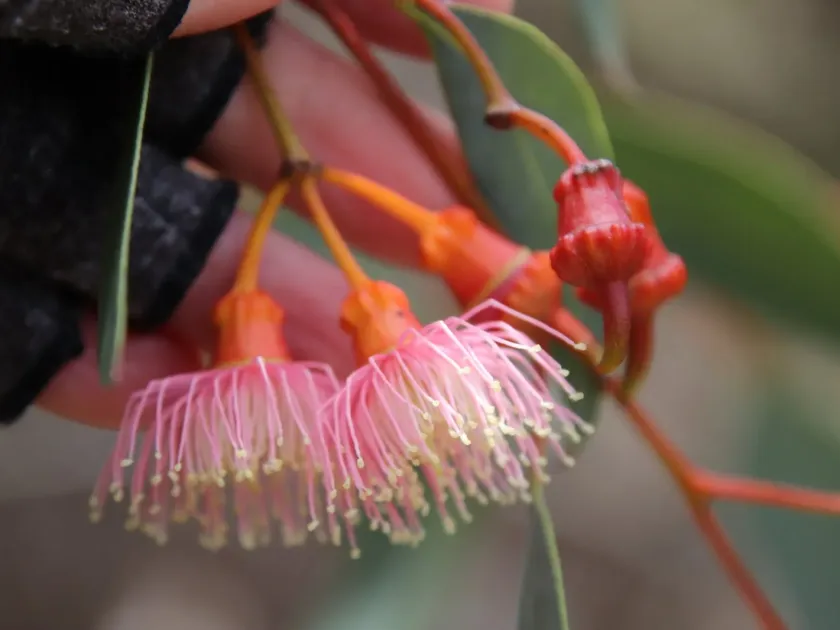
Coral gum (Eucalyptus torquata) is a striking evergreen tree belonging to the Myrtaceae family. It is native to the arid regions of Western Australia, which makes it highly specialized for hot and dry environmental conditions.
This species requires full sun exposure to thrive and produce its signature coral-colored blossoms. It is sensitive to frost and thrives best in Mediterranean-type climates where temperatures remain consistently mild throughout the year.
The soil requirements are specific: the species demands excellent drainage. It performs exceptionally well in sandy, gravelly, or well-aerated loamy soils, while heavy, clay-rich, or waterlogged soils are detrimental to its health.
Agronomic management involves periodic watering during the establishment phase. Once the root system is well-developed, the plant becomes remarkably drought-tolerant, requiring very little irrigation even in the height of summer.
Economically, the Coral gum is prized in ornamental horticulture. Its unique aesthetic qualities, such as its pendulous flowers and manageable mature size, make it a preferred choice for urban street planting and arid landscape design.
Main diseases and pests
The primary threats to Eucalyptus torquata include fungal diseases such as powdery mildew and leaf spot. These conditions typically develop when humidity levels are excessive or when there is poor air circulation within the tree canopy.
Insect pests represent another significant challenge, with scale insects and various species of wood-boring beetles being the most common. These pests can cause branch dieback and weaken the tree structure if left untreated.
Root rot, often caused by the Oomycetes pathogen in waterlogged soils, is the most severe threat to the species. Since the plant is adapted to dry conditions, any moisture imbalance significantly increases the risk of mortality.
Integrated pest management is recommended for maintaining tree vigor. This includes regular crown inspection, strategic pruning of dead wood, and the cautious use of systemic insecticides during early spring growth.
Maintaining proper spacing in plantations and landscapes ensures adequate airflow. Good horticultural practices, combined with strict adherence to drainage requirements, significantly reduce the incidence of major diseases.