
Eucalyptus tindaliae
Eucalyptus tindaliae
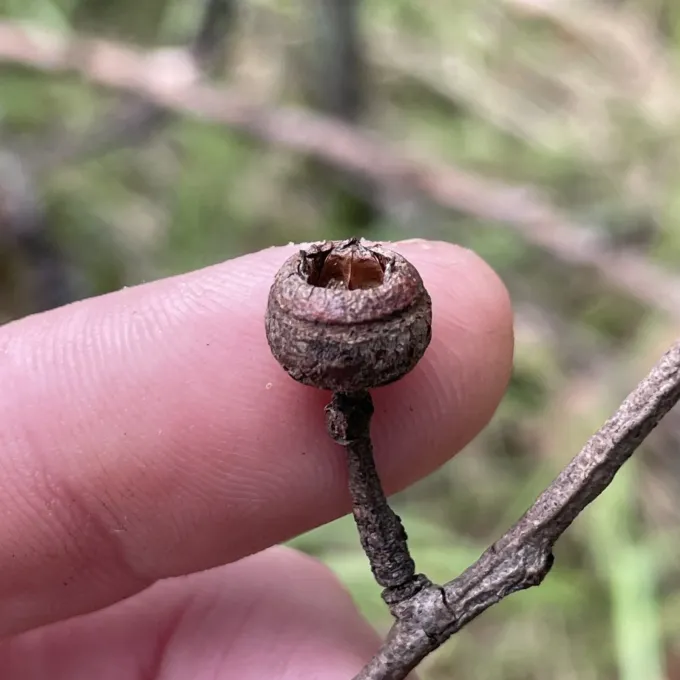
Description
Growing requirements
Eucalyptus tindaliae is a perennial evergreen tree belonging to the Myrtaceae family, native to the coastal and sub-coastal areas of eastern Australia. It is recognized for its robust growth habit and is primarily cultivated for its high-quality timber and industrial utility.
The species thrives in subtropical climates, requiring significant sunlight and well-drained soil profiles to prevent root rot. It prefers sandy or loamy textures that allow deep penetration of the root system, which is vital for the tree's overall stability and nutrient uptake.
Temperature management is a critical factor for successful plantation establishment, as extreme frosts can significantly impair the development of young saplings. Adequate rainfall or supplemental irrigation during the initial stages of growth is essential to ensure high survival rates.
Agronomic practices focus on maintaining soil fertility through balanced nutrient application and ensuring proper stand density to promote straight trunk formation. Regular monitoring of the soil pH is recommended to maintain an optimal range for nutrient availability.
The economic value of this crop is derived from its dense and durable wood, which is widely used in construction, flooring, and specialized joinery, making it a key species in regional commercial forestry.
Main diseases and pests
The primary threats to Eucalyptus tindaliae plantations include infestation by leaf-eating insects, such as beetles and sawflies, which can significantly reduce the photosynthetic capacity of the trees.
Fungal pathogens causing leaf spot and stem cankers pose a risk, particularly in areas with high humidity and insufficient air circulation between trees.
Root pathogens and nematodes can impact younger trees, leading to stunted growth or mortality, necessitating strict pre-planting soil analysis and preparation.
Integrated pest management strategies, involving the encouragement of natural predators and the use of resistant planting stock, are recommended to mitigate these risks effectively.
Timely sanitation of the plantation, including the removal of deadwood and infected branches, is crucial for preventing the spread of diseases and pests.