
Thozet's box
Eucalyptus thozetiana
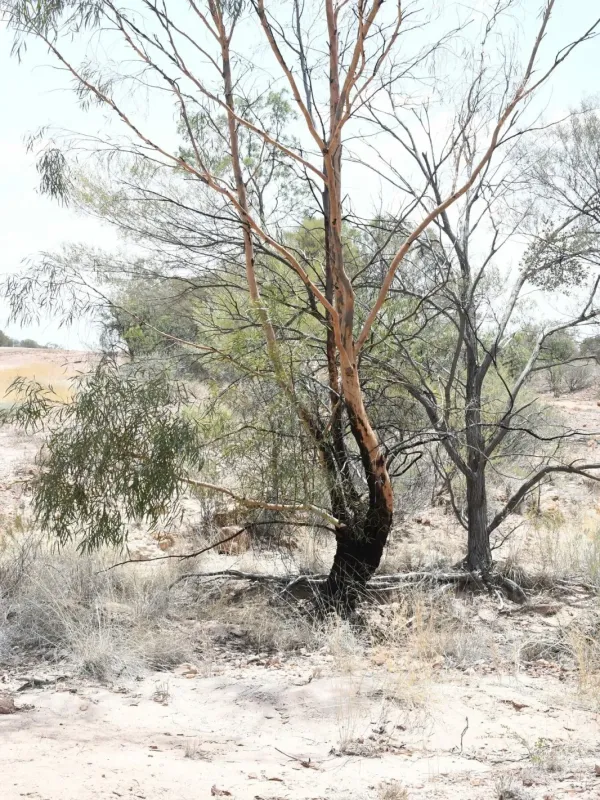
Description
Growing requirements
Thozet's box (Eucalyptus thozetiana) is a member of the Myrtaceae family, recognized for its exceptional resilience in semi-arid environments. It is native to eastern Australia, where it thrives under challenging climatic conditions.
This species is highly photophilous and requires full sun exposure to maintain healthy growth rates. It has evolved physiological mechanisms to withstand periods of extreme drought, making it suitable for reforestation in harsh climates.
The tree prefers well-drained soil types and can be found growing naturally on a variety of substrates, including heavy clays and rocky outcrops. It demonstrates a remarkable tolerance for soil fertility levels that would inhibit other species.
Regarding climate, this eucalyptus requires a warm, temperate environment. While it is hardy enough to survive harsh heat, protection from severe frost is essential during the early stages of its development in a plantation.
The wood of Eucalyptus thozetiana is highly valued for its extreme hardness and durability. It is traditionally used in high-end carpentry, the production of heavy-duty tool handles, and various structural applications that require resistance to wear.
Main diseases and pests
Leaf-eating insects, particularly certain beetle species and larvae, constitute the primary pest threats that may negatively affect the photosynthetic capacity of young trees.
Fungal leaf spot diseases can occur in nursery conditions or regions with persistent high humidity, requiring careful management of plant spacing and airflow.
Root rot, often caused by poor drainage, is a significant threat that can lead to rapid decline in plantation health, especially during heavy rainfall periods.
Wood-boring insects present a potential risk to mature stands, as they can tunnel into the trunk and degrade the quality of the valuable hardwood timber.
Integrated pest management, including regular inspection and maintaining optimal tree vigor through correct site selection, is the best defense against these threats.