
Darwin woollybutt
Eucalyptus tetrodonta
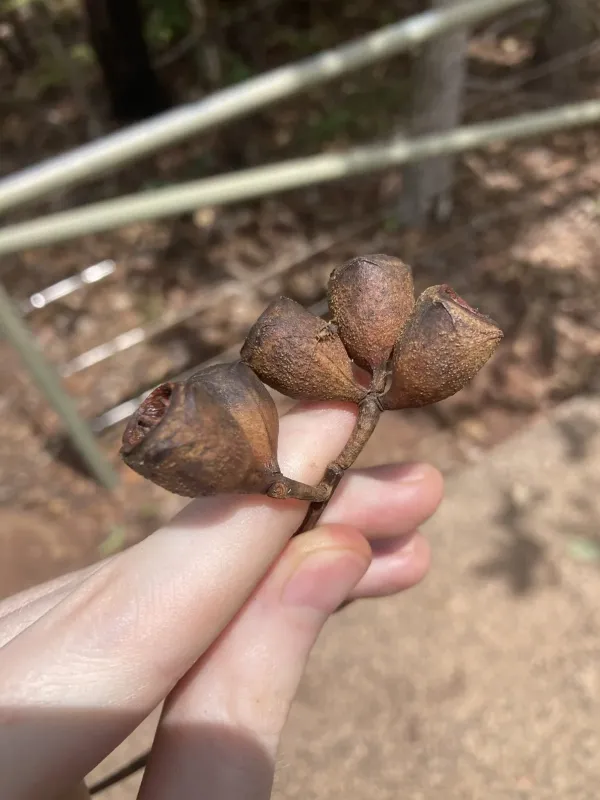
Description
Growing requirements
Eucalyptus tetrodonta, commonly known as Darwin woollybutt, is a member of the Myrtaceae family. It is a distinctive evergreen tree native to the tropical regions of Northern Australia.
This species thrives in tropical climates characterized by a distinct wet and dry season. It is highly sensitive to frost and requires frost-free conditions for successful growth.
The tree is well-adapted to nutrient-poor soils, including sandy or lateritic substrates. It performs exceptionally well in areas where soil drainage is efficient and prevents waterlogging.
Eucalyptus tetrodonta requires full sun exposure to maintain its growth rate. Young seedlings are susceptible to competition from weeds, necessitating site preparation before planting.
Its deep root system allows the tree to survive long periods of drought, making it a robust candidate for reforestation in arid tropical environments.
Harvesting
The primary agricultural and industrial value of Eucalyptus tetrodonta lies in its timber. The wood is dense, durable, and highly resistant to termites and fungal decay.
It is commonly utilized for heavy construction, utility poles, and fencing materials. The timber's durability ensures long-lasting results in outdoor applications.
In addition to timber, the species is recognized for its nectar production. It serves as a critical resource for pollinators during the flowering season in its native habitat.
Harvesting strategies for this species involve selective logging, ensuring that the ecological balance of the forest stand is maintained while yielding high-quality raw material.
While secondary products like essential oils are present in the foliage, the timber industry remains the dominant sector utilizing the biomass of Eucalyptus tetrodonta.