
Eucalyptus tetraptera
Eucalyptus tetraptera
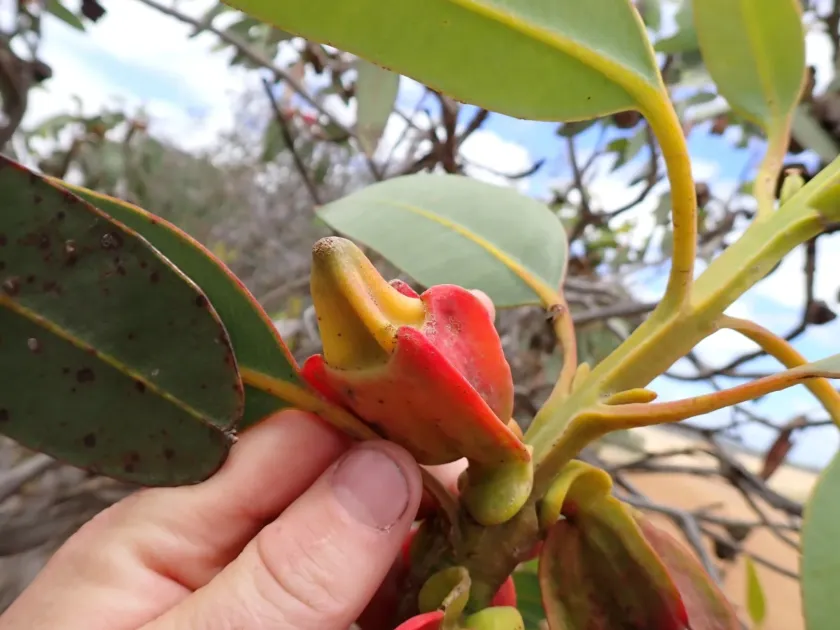
Description
Sowing dates
Eucalyptus tetraptera, a member of the Myrtaceae family, is naturally characterized as a large shrub or a small tree. In cultivation, propagation is primarily achieved through seeds.
Sowing in greenhouses or controlled environments should occur in early spring as daylight hours increase. This timing provides the necessary light for vigorous seedling development.
Seeds require a period of stratification at cool temperatures for several weeks to break dormancy and improve germination rates. This mimics the environmental cycles native to the species.
The growing medium must be light, sandy, and exhibit excellent drainage properties. Sowing is typically done superficially, using a thin layer of sand or vermiculite to cover the seeds.
Maintaining soil temperatures between 20–25 degrees Celsius is crucial for success. Under controlled humidity, germination generally occurs within three to four weeks post-sowing.
Growing requirements
This species is highly light-demanding and requires full sun exposure for the majority of the day. Insufficient lighting causes etiolation and significantly reduces the plant's ornamental appeal.
Eucalyptus tetraptera thrives in well-drained, sandy, or rocky soils with neutral to slightly acidic pH levels. Waterlogging is detrimental to the species and often results in root rot.
The plant is heat-loving and cannot tolerate harsh winters with freezing temperatures. In temperate regions, it is best suited for container cultivation, allowing for protection indoors during cold months.
The culture exhibits high drought tolerance, a trait inherited from its adaptation to the semi-arid conditions of Western Australia. Mature plants survive well with minimal artificial irrigation.
Fertilization should be conservative. Excessive nitrogen promotes rapid, succulent growth that is susceptible to pest infestation and damage during sudden temperature drops.
Main diseases and pests
Fungal diseases stemming from overly moist substrates pose a primary threat to young specimens. Phytophthora root rot is among the most frequent pathogens in indoor cultivation settings.
The foliage of the Eucalyptus can be damaged by various leaf beetles and lepidopteran larvae. Consistent plant monitoring allows for early detection and control of pest hotspots.
Spider mites frequently target these plants in greenhouse environments, particularly where air is dry and ventilation around the canopy is inadequate.
Powdery mildew may affect the leaves under conditions of stagnant air and high humidity. Proper spacing and sub-surface irrigation serve as highly effective preventative measures.
Root-dwelling pests like nematodes are rare but can be problematic when planted in open ground in unsuitable soils. Using sterilized substrate mixtures effectively minimizes this concern.