
Tallerack
Eucalyptus tetragona
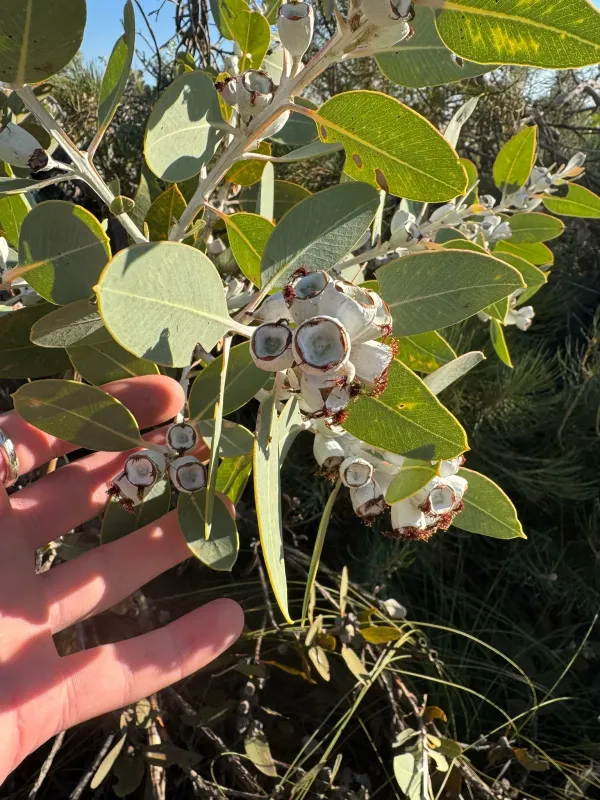
Description
Growing requirements
Tallerack (Eucalyptus tetragona), also scientifically referred to as Eucalyptus pleurocarpa, is a plant species belonging to the Myrtaceae family. Native to Western Australia, it is known for its distinct silver-blue foliage and robust nature in sandy habitats.
The plant thrives in Mediterranean climate zones characterized by cool, wet winters and warm, dry summers. It is exceptionally drought-tolerant and requires full sun exposure to maintain its characteristic foliage color and structural integrity.
Soil requirements for this species are specific: it necessitates well-drained, nutrient-poor, sandy soils. It is highly susceptible to root rot if grown in heavy clay or soils that retain moisture for extended periods, making site selection crucial.
Agrotechnical practices focus on regular pruning to encourage the production of straight, vigorous stems. This management style is essential for maximizing the yield of high-quality foliage used in the cut-flower industry.
In terms of economic use, Eucalyptus tetragona is highly valued as a decorative filler in floral arrangements. Its unique square-shaped fruits and glaucous leaves make it a preferred choice for professional florists worldwide.
Main diseases and pests
Root system pathogens, such as Phytophthora, pose the most significant threat to the survival of the plants. These diseases are usually triggered by poor drainage or over-irrigation, necessitating strict control of water management protocols.
Fungal leaf spots can occur in environments with high humidity and poor ventilation. Maintaining adequate spacing between plants is a standard agricultural practice used to increase airflow and reduce the incidence of these fungal infections.
Insect pests, including various species of leaf-eating beetles and psyllids, can significantly impact the quality of the harvest. Integrated pest management strategies are often implemented to keep insect populations below damaging levels without excessive pesticide use.
Sucking insects, such as aphids and scale insects, may target new growth, leading to stunted stems and deformed leaves. Regular monitoring of the foliage is required to ensure that the crop remains in marketable condition.
Strict sanitation protocols, including the removal of infected plant debris and the use of clean gardening tools, are necessary to prevent the spread of diseases within the cultivation area, ensuring the long-term productivity of the plantation.