
Silver peppermint
Eucalyptus tenuiramis
Description
Growing requirements
Eucalyptus tenuiramis, commonly known as Silver peppermint, is a member of the Myrtaceae family. It is a tree species indigenous to Tasmania, recognized for its distinct silvery-green foliage.
This species thrives in temperate climates. It requires well-drained, acidic to neutral soil and performs best in locations with full sun exposure and moderate rainfall.
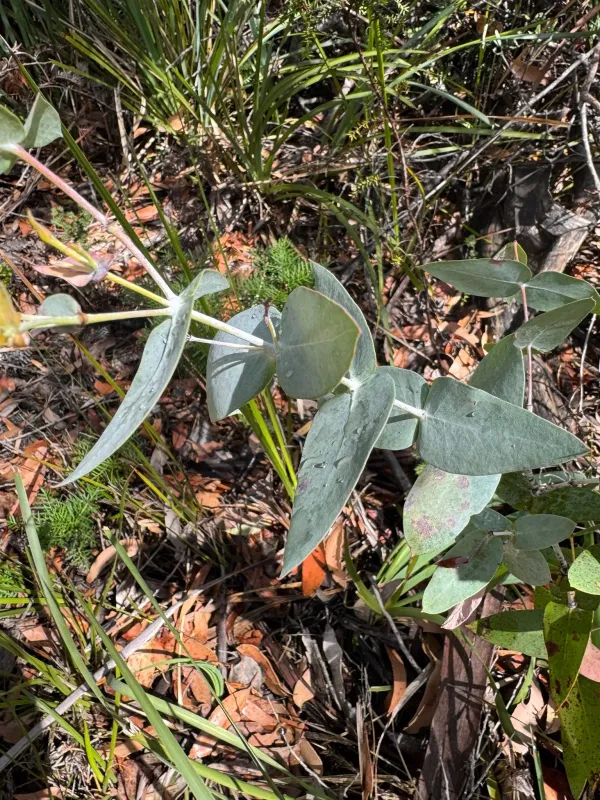
Botanically, it is defined by its slender branches and smooth, peeling bark. The juvenile foliage is often sessile and opposite, providing a unique aesthetic quality to the landscape.
Cultivation requires careful site selection, prioritizing areas that are sheltered from harsh, drying winds. Adequate space must be provided to accommodate its natural growth form.
Maintenance involves regular monitoring of soil moisture levels. While mature trees are relatively drought-tolerant, young seedlings benefit significantly from consistent irrigation during establishment.
Main diseases and pests
The primary threats to Eucalyptus tenuiramis include various fungal pathogens that thrive in damp, stagnant environments, leading to leaf spot or root rot.
Insect pests, such as leaf-eating beetles and specialized borers, can impact the health of the tree by damaging foliage or creating entry points for opportunistic diseases.
Integrated Pest Management (IPM) strategies are highly recommended to control populations of harmful insects without disrupting the local ecosystem.
Maintaining proper tree spacing is essential for reducing humidity within the canopy, which effectively prevents the onset of many fungal diseases.
Vigilant field scouting is the standard agronomic procedure to ensure early detection of pest infestations or symptoms of environmental stress.