
Eucalyptus subcrenulata
Eucalyptus subcrenulata
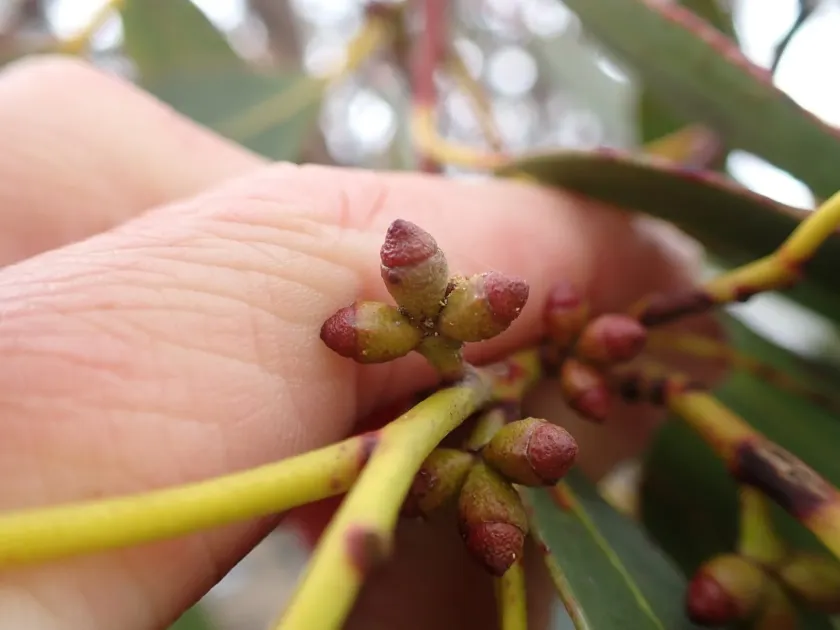
Description
Growing requirements
Eucalyptus subcrenulata, commonly known as the Tasmanian alpine yellow gum, is a prominent member of the Myrtaceae family. Native to the high altitudes of Tasmania, it is one of the most cold-tolerant eucalyptus species available for cultivation.
This species thrives in cool and temperate climates, showing significant resilience to frost. It is an excellent choice for reforestation projects in elevated regions where tropical varieties would fail to survive due to cold winters.
The tree prefers deep, well-drained soils and requires consistent moisture to establish itself properly. It demonstrates a high capacity for biomass production, making it a valuable candidate for fast-growing timber plantations.
Proper silvicultural management, including weed control and spacing, is essential to ensure the vitality of young plantations. The tree also serves as an ornamental asset due to its attractive, smooth bark and glossy foliage.
In addition to timber, this eucalyptus is studied for its chemical properties and potential applications in oil production, contributing to its diverse economic value in modern agriculture.
Main diseases and pests
The main threats to Eucalyptus subcrenulata include fungal infections, specifically those affecting the root system when grown in waterlogged or poorly drained environments. Proper drainage is the primary defense against such issues.
Insect pests, particularly leaf-eating beetles, can cause extensive damage to foliage, which directly impacts the tree's growth rate. Early detection and integrated pest management are necessary to protect the stands.
Rodent damage to the bark of young trees is a common challenge during the colder months. Physical barriers or wire guards are recommended to protect the trunk from gnawing and potential long-term damage.
Microbial pathogens can also pose a risk if the genetic diversity of the plantation is too low. Implementing a mixed-age strategy helps mitigate the impact of specific disease outbreaks across the site.
- Monitor for signs of wilting.
- Ensure proper airflow to reduce humidity.
- Remove infected branches immediately.
- Maintain balanced nutrient levels in the soil.