
Star Sallow Wattle (Eucalyptus stellulata)
Eucalyptus stellulata
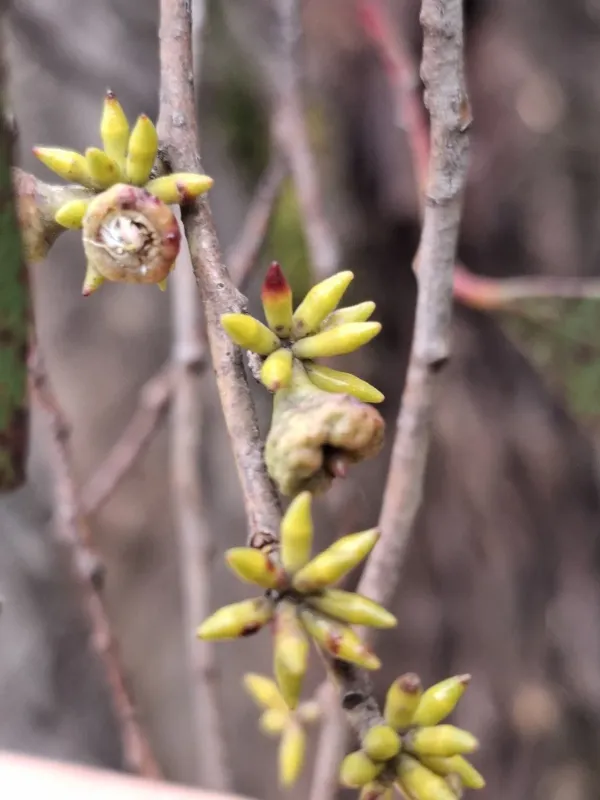
Description
Sowing dates
Sowing of Eucalyptus stellulata seeds is typically carried out in protected environments or greenhouses in early spring to ensure an active growth period for seedlings. Seeds require stratification to enhance germination rates and ensure uniform seedling emergence.
The growing medium must be light and well-drained, supplemented with sand or perlite to prevent moisture accumulation. Seeds should be covered lightly, as they require sufficient light to germinate effectively.
Pricking out seedlings is conducted after the development of two to three pairs of true leaves, moving them into individual pots. Great care must be taken during this process to protect the fragile root systems of the young plants.
Transplanting the hardened seedlings into the open field occurs once the danger of spring frost has passed. Adaptation through gradual exposure to external conditions is critical for the success of Eucalyptus stellulata.
For commercial plantations, the start of the rainy season is considered the optimal planting time, providing young trees with the necessary moisture reserves for successful establishment in the new location.
Growing requirements
Eucalyptus stellulata, belonging to the Myrtaceae family, is recognized as one of the most cold-hardy eucalyptus species. Naturally occurring in the high-altitude regions of Australia, it is well-adapted to harsh environmental conditions.
The crop prefers well-drained, acidic to neutral soils rich in organic matter. Eucalyptus is highly intolerant to saline soils and waterlogging, making the selection of a sloped site a primary consideration for cultivation.
For healthy development, the tree requires full sun exposure, as shade can cause leggy growth and reduce the overall vigor of the crop. In regions prone to high winds, the installation of temporary supports is recommended.
Climate requirements include moderate air humidity and the absence of extreme heat combined with drought. While the species is frost-resistant, young specimens require protection when temperatures drop below -10 degrees Celsius.
Watering should be regular during the first years of growth, but as the tree matures, it develops deep root systems that provide significant drought tolerance.
Yield
Eucalyptus stellulata is more frequently utilized for landscaping, reforestation, and wood production than for traditional agricultural harvesting.
The tree exhibits moderate growth rates compared to other eucalyptus species, which facilitates the creation of stable forest stands with high-quality biomass.
Economic utility includes the extraction of essential oils, which accumulate in the leaves and possess antiseptic properties. The oil yield depends on the age of the tree and the environmental conditions.
The timber of Eucalyptus stellulata is known for its durability and is used in woodworking and as a fuel source. Timber yield is assessed once the trees reach 15 to 20 years of age.
In ornamental horticulture, the plant is highly valued for its unique bark, which peels away gradually to reveal a smooth trunk, providing year-round aesthetic appeal.
Main diseases and pests
The primary threats to this species include fungal diseases that flourish in high humidity and poor canopy ventilation. Root rot, caused by Phytophthora pathogens, is particularly dangerous.
Pests such as leaf-eating insects and aphids are common, potentially damaging young foliage and stunting growth. Routine monitoring is essential for early detection.
Scale insect infestations can significantly weaken the plant, reducing its resilience to other environmental stressors and diseases.
During prolonged dry spells, the eucalyptus may become susceptible to spider mite attacks, which require the application of specialized acaricides for management.
- Conduct regular sanitary pruning to remove infected branches.
- Monitor soil moisture levels to prevent the development of root rots.
- Apply insecticides immediately upon observing signs of pest infestation.