
Eucalyptus socialis
Eucalyptus socialis
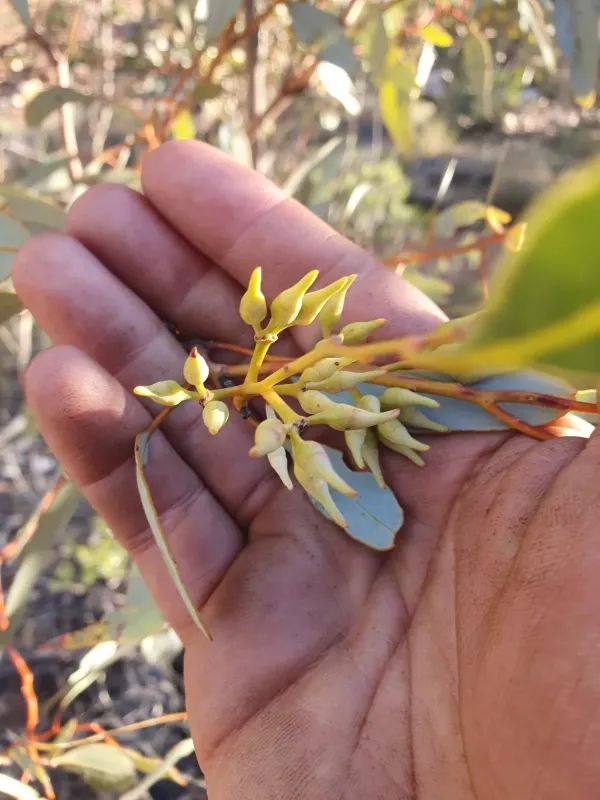
Description
Growing requirements
Eucalyptus socialis is a remarkable member of the Myrtaceae family, often recognized by its multi-stemmed habit, which creates a shrub-like appearance known as mallee in its native Australian habitat.
This species is exceptionally well-adapted to arid environments, possessing specialized physiological mechanisms that allow it to thrive in regions with minimal annual rainfall.
The ideal soil conditions for this plant involve well-draining, coarse-textured soils, such as sand or sandy loam, which prevent root asphyxiation during rare but intense rain events.
Environmental requirements include a high tolerance for temperature extremes, with the species demonstrating significant resilience to both scorching heat and periodic frosts.
For forestry and landscaping purposes, the plant is valued for its ability to stabilize soil and contribute to the restoration of semi-arid ecosystems, making it a key species for land rehabilitation.
Main diseases and pests
The primary threats to the health of Eucalyptus socialis stands include various defoliating insects that can reduce the tree's photosynthetic capacity if infestation levels reach a critical threshold.
Fungal pathogens associated with leaf blight can pose a challenge, particularly in areas where humidity levels fluctuate beyond the species' natural environmental parameters.
Root rot caused by soil-borne fungi is a major risk factor if the site selection results in poor drainage, as the species is highly sensitive to waterlogged conditions.
Weed management during the early establishment phase is critical, as young plants struggle to compete for moisture and soil nutrients with invasive grasses and shrubs.
Preventative measures include avoiding high-density planting to ensure proper airflow, which significantly reduces the probability of fungal outbreaks and insect colonization.