
Eucalyptus sieberiana
Eucalyptus sieberiana
Description
Growing requirements
Eucalyptus sieberiana, commonly known as Silvertop Ash, is a prominent member of the Myrtaceae family. This evergreen tree species is highly valued in commercial forestry for its ability to produce tall, straight trunks and high-quality timber in diverse environments.
Native to southeastern Australia, the species is found in various habitats ranging from coastal areas to mountain ranges. Its natural distribution demonstrates a significant degree of ecological adaptability, allowing it to thrive in regions with moderate annual precipitation and temperate conditions.
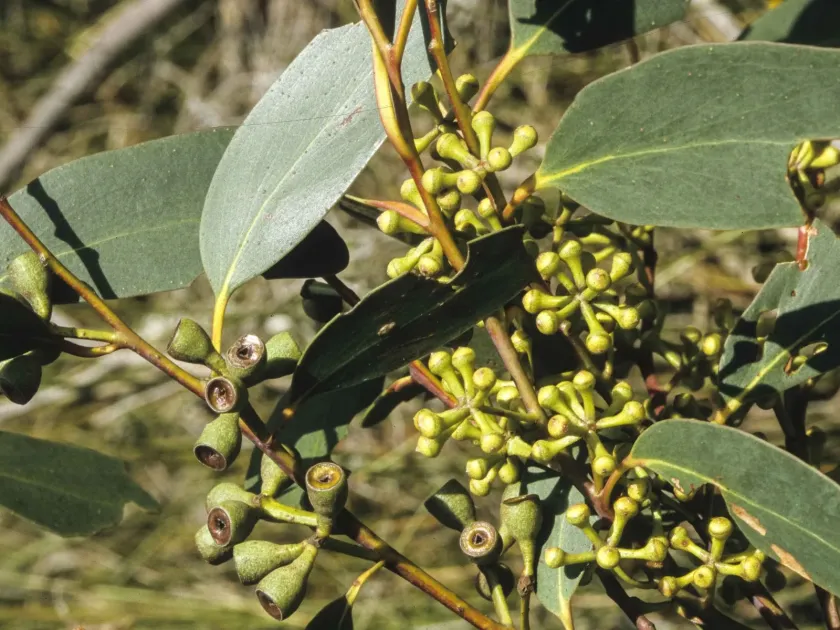
Botanically, the tree is distinguished by its bark, which is rough, fibrous, and deeply furrowed at the base, contrasting sharply with the smooth, greyish-white bark of the upper branches. The leaves are typically lanceolate, leathery in texture, and rich in oils, which are characteristic of the genus.
In terms of cultivation, the tree prefers deep, well-drained soils and requires an open site with plenty of sunlight. While it can withstand occasional dry spells once established, consistent moisture is essential during the early stages of growth to ensure the development of a healthy root system.
The primary economic use of Eucalyptus sieberiana is timber production. Its wood is dense, strong, and highly durable, making it an excellent material for structural applications, flooring, furniture, and heavy engineering projects due to its resistance to wear and tear.
Main diseases and pests
The species faces pressure from various wood-boring insects and defoliators which can hinder the growth rate of juvenile plantations. Monitoring of insect populations is a fundamental part of the management strategy for industrial eucalyptus groves.
Fungal pathogens associated with leaf blight and root rot can occur in poorly drained plantation areas. Maintaining optimal soil aeration and preventing waterlogging are the most effective management practices to protect the health of the trees and maximize timber yields.