
Eucalyptus siderophloia
Eucalyptus siderophloia
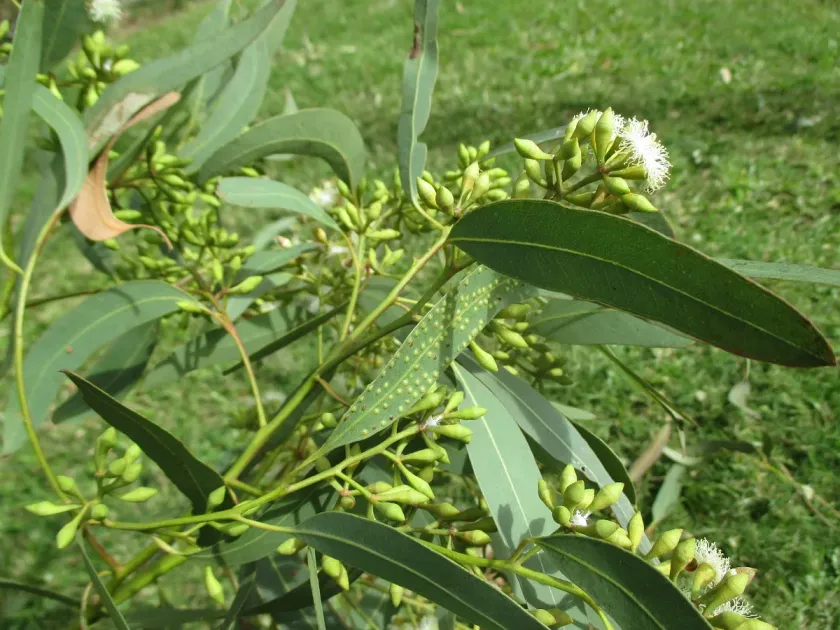
Description
Growing requirements
Eucalyptus siderophloia, commonly known as the Northern Grey Ironbark, belongs to the Myrtaceae family. This species is distinguished by its persistent, dark-colored, hard, and deeply furrowed bark, which provides effective protection against forest fires and environmental stress in its native Australian habitat.
The species thrives in warm, humid subtropical climates with consistent rainfall throughout the year. It exhibits high adaptability to various soil types, ranging from deep alluvial soils to harder clay loams, as long as the site provides adequate drainage to prevent saturation of the root system.
Cultivation requires significant solar radiation to maintain vigorous growth rates. While the species is resilient, extreme frost events during the initial stages of development can significantly hinder the establishment of young stands, necessitating careful site selection in temperate regions.
The primary economic value of this culture lies in its exceptional timber quality. The wood is renowned for being extremely hard, heavy, and naturally durable, making it an excellent material for heavy-duty construction, railway sleepers, and high-quality exterior joinery products.
Beyond timber, the foliage is highly valued for the extraction of specific essential oils used in the pharmaceutical and fragrance industries. Furthermore, the tree plays a crucial role in supporting local biodiversity by acting as a high-quality nectar source for various pollinators.
Main diseases and pests
Pathogenic threats include fungal infections such as leaf rust and damping-off disease in nurseries, often triggered by high humidity and stagnant air. Maintaining clean cultivation practices and monitoring sapling health are essential components of a robust disease management plan.
Pest pressures are primarily caused by defoliating insects like leaf beetles and certain wood-boring larvae. In some regions, termites can pose a risk to young trees; therefore, site preparation and regular field inspections are vital for ensuring the longevity of the plantation.