
Wallangarra white gum
Eucalyptus scoparia
Description
Growing requirements
Eucalyptus scoparia, commonly known as Wallangarra white gum, is a distinctive member of the Myrtaceae family. Native to a restricted range in New South Wales and Queensland, Australia, it is well-adapted to rocky, well-drained environments.
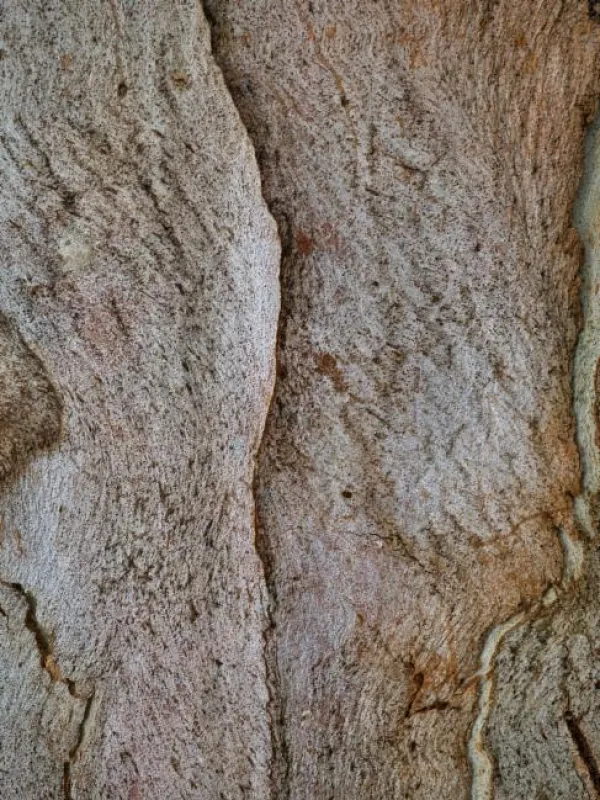
This species is highly valued for its striking appearance, featuring smooth white bark and long, narrow, bright green leaves that form a weeping, broom-like canopy. It reaches moderate heights, making it a popular choice for large ornamental gardens.
The cultural requirements are strictly defined by its native habitat. It thrives in full sun, which is essential for maintaining its dense foliage and unique branching structure. Shade will lead to sparse growth and reduced aesthetic appeal.
Regarding soil conditions, this eucalyptus requires excellent drainage. It is highly intolerant of waterlogged soils, which quickly lead to root decay. Sandy or rocky substrates that allow water to percolate are ideal for healthy root development.
Climate tolerance is moderate. While it can withstand light frosts, it is not considered fully frost-hardy in extremely cold regions. Growers in temperate areas should ensure protection during peak winter months to prevent damage to the terminal buds.
Main diseases and pests
Leaf-eating insects, such as chrysomelid beetles, can cause significant cosmetic damage during the active growing season. Regular monitoring is advised for young specimens.
Powdery mildew is a common fungal threat when the plant is kept in conditions with high humidity and poor air circulation. Improving airflow is the most effective cultural control measure.
Root rot, primarily caused by Phytophthora species, is the most severe threat to the long-term survival of the tree. This is almost exclusively linked to overwatering or poorly draining soil conditions.
Scale insects can occasionally infest the stems, weakening the tree by extracting phloem sap. Horticultural oils or systemic treatments are typically effective if applied at the early stages of infestation.
Pruning is recommended to remove dead or diseased branches, which helps to maintain the plant's vigor and reduces the risk of further pathogen spread within the canopy.