
Rusty Eucalyptus
Eucalyptus rubiginosa
Description
Growing requirements
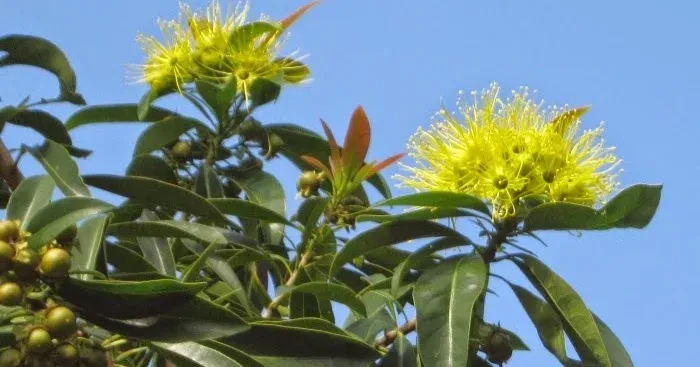
Eucalyptus rubiginosa, known as the Rusty Eucalyptus, belongs to the Myrtaceae family. It is distinct due to the rusty-colored pubescence found on its juvenile foliage and stems, a feature that provides its common and scientific names.
Originating from specific Australian ecological zones, this species prefers well-drained, sandy, or stony soils. It thrives in environments where natural drainage prevents waterlogging of the sensitive root system.
The plant demands a warm climate, as it has low tolerance for sustained frost. Commercial cultivation is successful only in regions with mild winters, ensuring the plant receives adequate sunlight for photosynthesis throughout the growing cycle.
Agronomic management focuses on preventing root rot through careful irrigation and soil aeration. Young plants require consistent monitoring of moisture levels to ensure balanced development during the critical establishment phase.
Economically, the species is cultivated for the extraction of specific essential oils and its durable timber. Its unique aesthetic also makes it a subject of interest for specialized landscape and ornamental plantings.
Main diseases and pests
Fungal diseases are the primary threat, especially in humid conditions where leaf spots and mildew thrive. Maintaining adequate air circulation between trees is a vital cultural control measure.
Pest pressure is mainly exerted by leaf-eating insects that target the canopy. Integrated pest management strategies, including monitoring and localized treatments, are essential to maintain the health and growth rate of the plantation.