
Eucalyptus rossii
Eucalyptus rossii
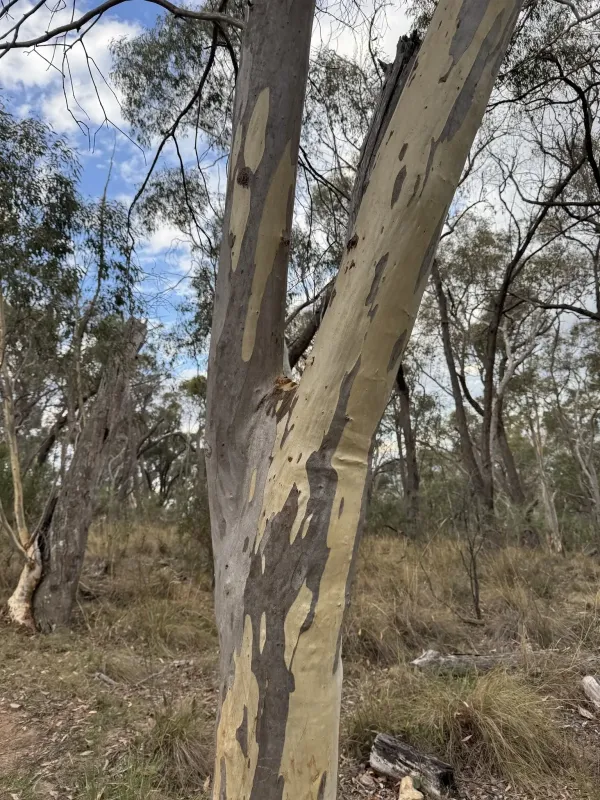
Description
Sowing dates
Eucalyptus rossii is typically propagated from seeds sown in specialized nursery trays during the early spring to ensure robust seedling development.
The seeds are relatively small and require a light covering of sterile medium to maintain proper moisture levels while allowing sufficient light penetration.
Seedlings should be kept in well-ventilated conditions with regulated temperatures to prevent damping-off diseases common in high-humidity environments.
Gradual hardening-off of the seedlings is necessary before they are transplanted into the open field to improve their survival rate in harsh conditions.
Proper spacing within nursery containers is essential to prevent overcrowding and to encourage the growth of a healthy and balanced root structure.
Growing requirements
As a member of the Myrtaceae family, Eucalyptus rossii is native to the woodlands of southeastern Australia, where it thrives in diverse environments.
This species prefers well-drained, nutrient-poor, rocky or sandy soils, which are characteristic of its natural habitat on ridge lines and slopes.
The tree requires significant exposure to sunlight for optimal physiological activity and to maintain its distinct growth form over its lifespan.
It is known for its remarkable drought tolerance, making it an excellent candidate for reforestation in arid or semi-arid regions with low rainfall.
While adapted to harsh climates, the species performs best when soil compaction is minimized, allowing for deep root penetration and nutrient uptake.
Main diseases and pests
Root rot caused by Phytophthora species represents a significant threat, especially in areas where soil drainage is not properly managed.
Leaf-eating insects, such as chrysomelid beetles, can cause widespread defoliation if populations are left unchecked during the peak growing season.
Fungal leaf spots can occur under conditions of stagnant air and prolonged moisture, necessitating adequate site selection to promote natural ventilation.
Young plants are susceptible to damage from browsing animals, which may necessitate the use of temporary fencing or protective guards during establishment.
Monitoring for signs of pests and diseases is a critical part of forest health management to ensure the long-term productivity of Eucalyptus plantations.
Harvesting
The wood of Eucalyptus rossii is utilized for various structural and utility purposes due to its density and durability under diverse conditions.
Harvesting operations are planned based on rotation cycles that allow the trees to reach maturity, ensuring sustainable timber production yields.
Leaves harvested from the canopy are often processed for their essential oils, which possess unique aromatic properties valued in various industrial sectors.
Modern harvesting techniques aim to reduce environmental footprint by optimizing access and ensuring that logging equipment does not degrade the soil.
Post-harvest management involves careful processing and kiln drying to stabilize the timber and enhance its suitability for high-quality woodworking.