
Eucalyptus quadrangulata
Eucalyptus quadrangulata
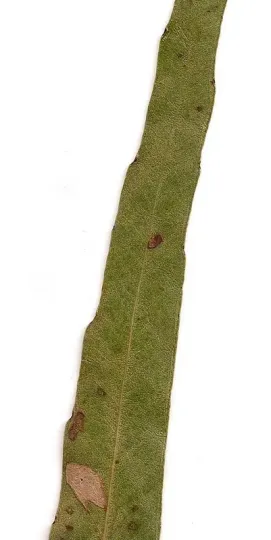
Description
Growing requirements
Eucalyptus quadrangulata, commonly known as the white-topped box, is a tree species belonging to the Myrtaceae family. It is recognized for its robust growth and structural properties.
The species is native to eastern Australia, specifically inhabiting the coastal and tableland regions of New South Wales and Queensland. It thrives in temperate to subtropical climates.
The tree is botanically distinguished by its four-angled (quadrangular) branchlets, which gives the species its scientific name. It typically grows as a tall, evergreen tree with dark, fibrous bark.
This species requires fertile, well-drained soils to reach its full growth potential. It shows a preference for deep soils that provide consistent moisture during the growing season.
Regarding climate, Eucalyptus quadrangulata is adapted to warm environments. While it can withstand mild frost, extreme cold conditions should be avoided to prevent damage to the canopy.
Yield
The primary agricultural and industrial use of Eucalyptus quadrangulata is the production of high-quality timber. The wood is dense and durable, making it ideal for heavy construction.
Timber from this species is frequently used for flooring, bridge decking, and sleepers. Its physical characteristics make it a reliable material for projects requiring significant structural strength.
Beyond timber production, the tree is valuable for forestry restoration projects. Its ability to grow quickly allows for the rapid establishment of forested areas or windbreaks.
Productivity is high under optimal management practices. Plantation forestry benefits from its straight stem growth, which maximizes the yield of usable wood per tree.
The wood's durability and natural resistance to certain types of weathering contribute to its sustained economic value in the lumber industry across its cultivation range.
Main diseases and pests
Fungal pathogens remain the primary concern for this species, especially in environments with high rainfall or poor drainage. Proper site selection is critical to minimize these risks.
Defoliating insects can significantly reduce tree growth rates by damaging the photosynthetic capacity of the leaves. Regular monitoring is necessary to keep infestations under control.
Root system issues can occur if the soil structure is compacted or prone to waterlogging. Implementing proper soil management techniques before planting is essential for long-term health.
Young plants are susceptible to competition from weeds. Keeping the area clear during the initial establishment phase ensures that trees receive adequate nutrients and light.
Disease management strategies should focus on integrated pest management (IPM) to maintain the productivity and ecological balance within the cultivated stands.