
Eucalyptus pyrocarpa
Eucalyptus pyrocarpa
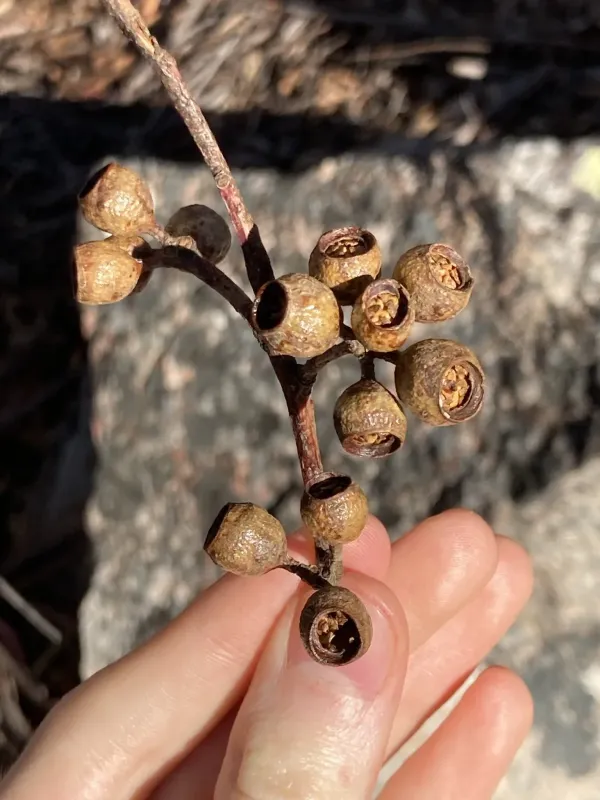
Description
Growing requirements
Eucalyptus pyrocarpa is a tall tree species belonging to the Myrtaceae family. It is recognized for its structural stability and is native to specific coastal areas of Eastern Australia, where it thrives in humid environments.
The cultivation of this species requires well-drained, slightly acidic soils. It does not tolerate waterlogging, which often leads to root rot; therefore, selecting a site with proper geological drainage is essential for successful growth.
As a light-demanding species, it requires full sun exposure to maintain its growth rate and structural integrity. In dense stands, proper spacing is required to ensure that each tree receives adequate solar radiation for photosynthesis.
Temperature requirements are strict, as the tree is adapted to tropical and warm-temperate zones. Frost damage is a major limiting factor in its expansion, making it unsuitable for colder agricultural regions.
Agronomic management includes maintaining adequate soil nutrient levels, particularly nitrogen and phosphorus during the early stages of development. Regular soil testing helps in adjusting fertilization strategies to meet the tree's metabolic needs.
Main diseases and pests
The species is susceptible to various defoliating insects that can significantly reduce its biomass production if left uncontrolled. Integrated pest management (IPM) is highly recommended for commercial plantations.
Fungal infections, often exacerbated by high humidity and poor air circulation, can manifest as leaf spots or stem cankers. Mitigation involves pruning lower branches and ensuring sufficient spacing between individuals.
Wood-boring beetles present a serious risk to mature stands, as they target the inner tissue of the trunk. Monitoring bark health and applying appropriate biological controls can prevent widespread infestation.
Root pathogens represent a hidden threat, often introduced through contaminated soil or water runoff. Maintaining hygiene within the nursery and plantation site is vital to prevent the spread of soil-borne diseases.
Environmental stress, such as extreme drought, can weaken the tree's natural defense systems, making it more vulnerable to secondary pest and disease attacks. Proper irrigation management is therefore a form of pest prevention.