
Grey Gum
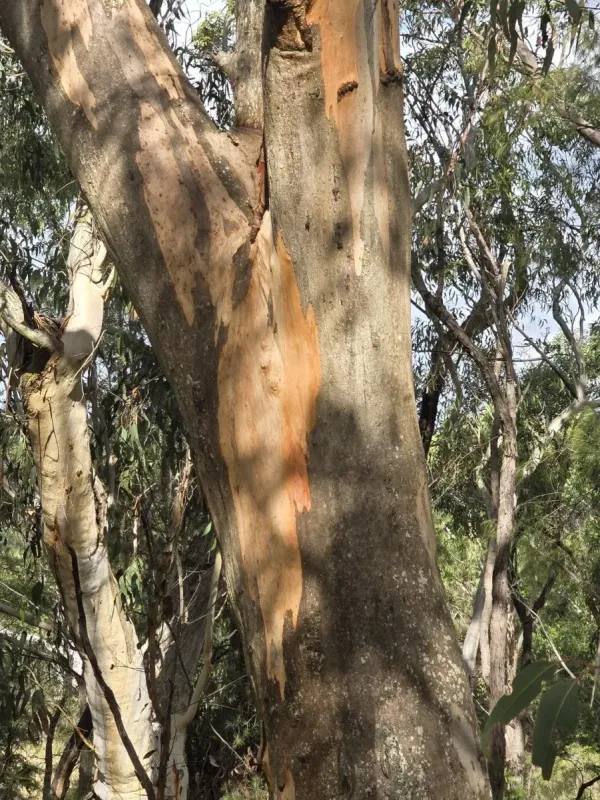
Eucalyptus punctata
Description
Growing requirements
Eucalyptus punctata, commonly known as Grey Gum, belongs to the Myrtaceae family. It is a robust evergreen tree native to the coastal regions of New South Wales and Queensland, Australia.
The species thrives in temperate to subtropical climates and prefers sites with consistent moisture levels to support its relatively fast growth rate.
It requires deep, fertile, and well-drained soils, typically favoring alluvial soils or sandy loams that provide adequate aeration for the root system.
Full sun exposure is crucial for the development of a healthy crown and for optimizing the photosynthetic activity of the leaves during the peak growing season.
Young plantations should be kept free from encroaching weeds, as the tree is susceptible to competition for nitrogen and water during its establishment phase.
Yield
The timber of the Grey Gum is highly valued for its exceptional density, hardness, and durability, making it ideal for heavy engineering applications.
It is frequently used for structural timber, power poles, and railway sleepers due to its natural resistance to decay and termite infestation.
The tree provides significant biomass and is often managed in forestry plots where periodic harvesting can occur, given the species' potential for rapid regeneration.
Grey Gum is also a significant nectar source, contributing to local honey production and supporting diverse pollinator populations within its range.
Productivity is maximized in managed stands by ensuring proper spacing, which allows each tree to achieve its full potential girth and height within the harvest cycle.
Main diseases and pests
Leaf-eating insects, particularly beetles from the Paropsis genus, can cause significant defoliation, affecting the growth rate and overall health of the tree.
Fungal leaf diseases may occur in areas with prolonged humidity, potentially leading to premature leaf drop if not managed through good plantation ventilation.
Leaf miners can impair the efficiency of the canopy, necessitating monitoring of young plants to ensure that pests do not compromise the tree's vigor.
Root system issues can arise in waterlogged soils, which may lead to dieback; therefore, soil drainage is a critical prerequisite for any successful plantation.
Effective management includes regular monitoring for signs of stress, ensuring that the trees remain resilient against environmental and biological threats.