
Eucalyptus pulchella
Eucalyptus pulchella
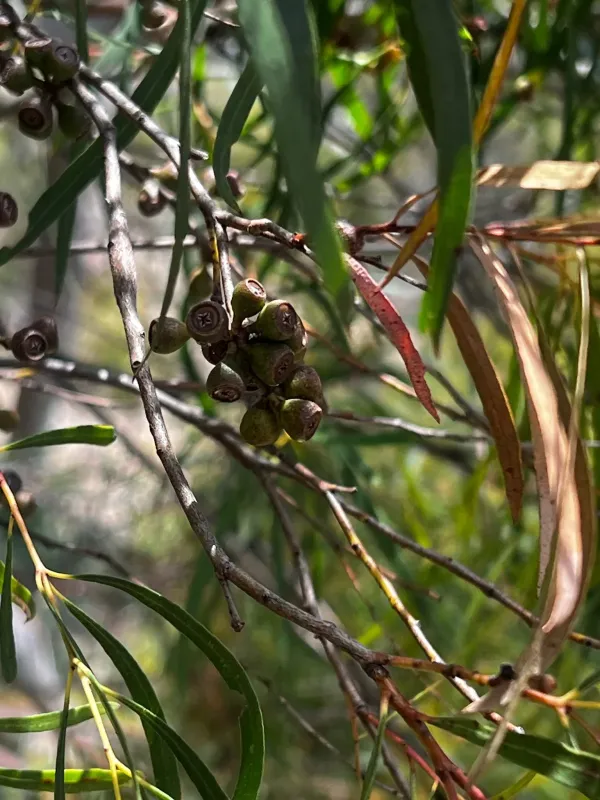
Description
Sowing dates
Sowing seeds of Eucalyptus pulchella is best conducted in a controlled greenhouse environment during late winter or early spring. Pre-stratification of the seeds is highly recommended to break dormancy and ensure a high and uniform germination rate.
A light, well-draining substrate composed of peat moss and perlite or coarse sand is ideal for starting seeds. The seeds should be sown on the surface and lightly covered, as they require a certain level of exposure to light to trigger the germination process.
Maintaining a constant temperature of around 20–22 degrees Celsius is crucial for success. Consistent but moderate soil moisture is required, but caregivers must avoid waterlogging, which significantly increases the risk of damping-off disease in delicate seedlings.
Seedlings should be transplanted into individual containers once they reach the two-leaf stage. Hardening off the young plants is a vital step before moving them to their permanent outdoor location to ensure they can withstand varying weather conditions.
Planting density depends on the intended outcome, whether for reforestation or landscape ornamentation. Proper spacing ensures adequate airflow, which is essential to prevent the development of pathogens and to support the healthy growth of the tree crown.
Growing requirements
Eucalyptus pulchella, commonly known as the White Peppermint, belongs to the Myrtaceae family and is native to Tasmania. This species thrives in mild climates and is known for its graceful appearance, featuring thin, weeping leaves and smooth bark.
The tree prefers well-drained, slightly acidic to neutral soils and can adapt to poor or rocky terrain. However, it will not tolerate waterlogged conditions, which lead to root rot and severely hinder the plant's overall growth potential and vigor.
As a highly light-demanding species, it must be planted in full sun to maintain its aesthetic form and structural integrity. Shade will cause the tree to become spindly, lose its ornamental appeal, and become more susceptible to pests and diseases.
While the tree shows moderate drought tolerance once established, consistent irrigation is necessary during the initial stages of development. As it matures, its deep root system allows it to access deeper soil moisture, reducing the need for artificial watering.
In regions susceptible to severe frosts, growing Eucalyptus pulchella outdoors is risky. In such cases, it is typically cultivated in containers and moved to sheltered, frost-free locations, such as conservatories or greenhouses, during the winter months.
Yield
The primary use of Eucalyptus pulchella is for ornamental landscaping and park development. Its slender, delicate leaves and pale, smooth trunk make it a prized specimen for temperate gardens, providing a unique texture and architectural presence.
While not a major industrial timber species, its wood is dense and can be used for small-scale woodworking projects or firewood where it is abundant. The main interest, however, remains in its role as a decorative botanical element.
The foliage contains aromatic essential oils, which can be extracted through steam distillation. These oils are valued in the fragrance and cosmetic industries for their refreshing, peppermint-like scent and potential antimicrobial properties.
Productivity in terms of biomass depends on regular pruning, which promotes the growth of new, oil-rich juvenile foliage. This method of management is standard in plantations focused on harvesting aromatic green matter for various industrial applications.
Eucalyptus pulchella serves as a valuable nectar source for bees during its flowering season. The high-quality honey produced from these trees is often sought after for its distinctive flavor profile and is a beneficial byproduct of cultivating the species.
Main diseases and pests
The most common health issues for this eucalyptus species involve fungal infections, such as root rot and leaf spots, which are typically triggered by poor drainage or excessive humidity. Proper water management is the first line of defense against these threats.
Pests like scale insects and mealybugs can infest the branches and stems, especially in protected or indoor settings. Regular monitoring and the application of systemic insecticides or horticultural oils are necessary to control these infestations.
Leaf-eating insects, including various beetle species, can damage the foliage and impact the tree's health and visual quality. Controlling these populations is critical to maintaining the plant's photosynthesis and overall growth performance.
Spider mites are a persistent threat in hot, dry environments or within greenhouses where humidity levels are not properly managed. Regular misting and maintaining optimal airflow are key preventive practices against these small but destructive pests.
Maintaining a clean growing environment and ensuring proper plant spacing are effective ways to prevent the spread of diseases. If an infection is detected, prompt removal of affected branches is essential to protect the long-term health of the plantation.