
Silver leaf box
Eucalyptus pruinosa
Description
Growing requirements
Eucalyptus pruinosa, known as the silver leaf box, is a distinct member of the Myrtaceae family native to the tropical northern parts of Australia. It is a hardy, evergreen tree adapted to environments characterized by long, dry periods and significant heat.
For successful cultivation, the species requires well-drained, sandy, or loamy soil with neutral to slightly acidic pH levels. Proper drainage is essential, as waterlogging can cause fatal root rot in this species, which has evolved to thrive in arid conditions.
The tree thrives in full sunlight and is remarkably drought-tolerant once established. It is not frost-tolerant, meaning its agricultural potential is strictly limited to tropical or subtropical zones where temperatures remain consistently above freezing throughout the year.
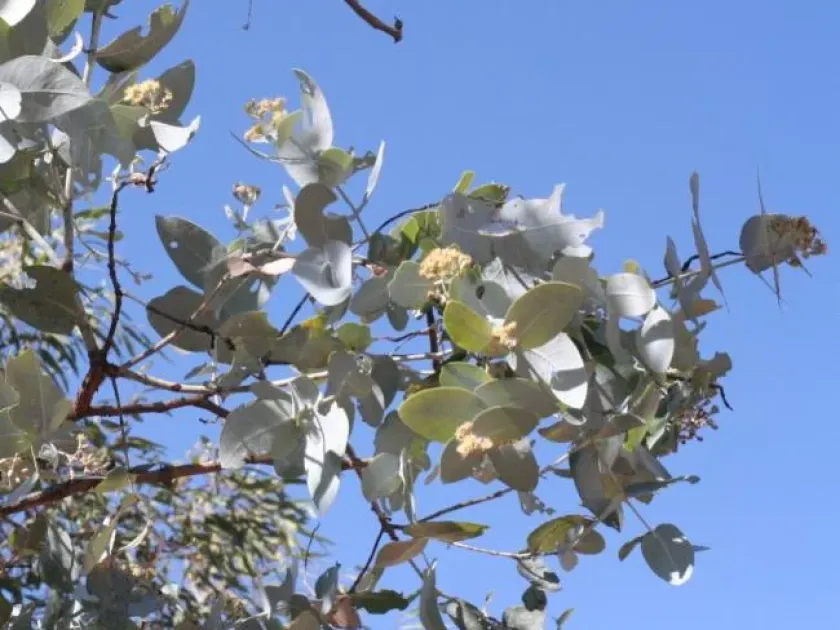
Botanically, it is recognized by its glaucous (silver-blue), opposite, and broadly ovate leaves covered in a waxy bloom. This waxy layer is an essential physiological adaptation that reduces transpiration and protects the plant from intense solar radiation.
Economically, Eucalyptus pruinosa is valued for its essential oils used in various industries, including medicine and aromatherapy. Its wood is dense and durable, making it useful for local timber production, while its striking foliage makes it a popular specimen in exotic landscape gardening.
Main diseases and pests
The primary threats to silver leaf box plantations involve fungal pathogens that thrive in high-humidity conditions. Root rot, caused by various species of Phytophthora, is the most common concern for growers who fail to manage soil drainage effectively.
Insects, particularly leaf-feeding beetles and wood-boring larvae, can significantly impact the plant's health and productivity. Maintaining vigorous trees through proper spacing and nutrition is the first line of defense against these pests.
Foliar diseases, including leaf rusts, may appear if air circulation is insufficient within the stand. Pruning and selective thinning are necessary to ensure the canopy remains healthy and resistant to such outbreaks.
Aphids and scale insects occasionally infest younger plants, causing stunted growth and leaf deformation. Regular monitoring is encouraged, with targeted interventions required only when pest populations exceed economic thresholds.
Environmental stress, such as unseasonable drought combined with low soil nutrients, can weaken the trees, making them more susceptible to opportunistic pathogens. A balanced approach to soil fertility and irrigation management is critical for long-term survival.